
Automakers Reintroduce Physical Buttons as Drivers Reject Screen-Heavy Interiors
Car manufacturers are moving away from switchless dashboards in favor of tangible controls, responding to widespread driver complaints about complex software interfaces.
By Pavel Henderson ·
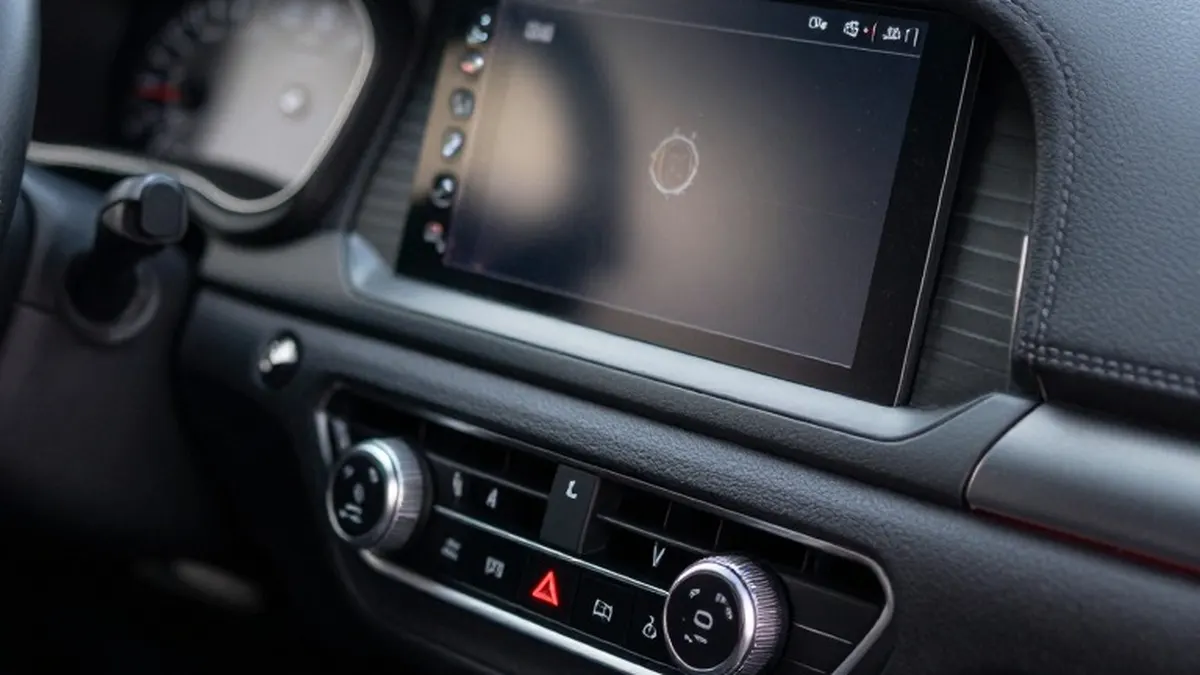
The automotive industry is undergoing a significant shift in interior design philosophy, moving away from the minimalist, screen-heavy layouts that dominated recent model years. Much like residential interior trends, vehicle cabin design is subject to cycles of popularity, and the current trend of eliminating physical controls appears to be reversing. Manufacturers are recognizing that while sleek, buttonless dashboards looked impressive in marketing materials, they often created practical challenges for drivers on the road.
Hiren Patel, senior design manager at Nissan, explained that the push to remove switches was driven by cost-saving strategies and a desire to create a more software-centric experience. During the peak of this trend, designers and engineers believed that consolidating controls into digital interfaces would reduce the need for physical tooling and unique parts. This approach was intended to make the interior feel more like a modern software ecosystem, aligning with the broader digitalization of consumer electronics.
However, the practical reality of driving proved different from the static environment of a dealership. While these minimalist interiors appeared sophisticated and clean when parked, drivers found them difficult to use during actual operation. The convenience of a touchscreen, which works well for a phone held in one's hand, did not translate as effectively to a car dashboard where the driver's attention must remain focused on the road ahead.
Patel noted that a significant number of consumers began complaining about the cognitive load required to perform simple tasks. Adjusting the temperature, changing seat positions, or modifying climate settings often required navigating through multiple digital menus. This process forced drivers to take their eyes off the road for longer periods, increasing the risk of distraction. The intuitive nature of tapping a physical button was replaced by a more complex interaction that many users found frustrating.
The complexity of modern vehicles has further exacerbated these issues. Contemporary cars contain numerous subsystems that require constant adjustment and monitoring. Unlike a smartphone, where the interface is standardized and familiar to most users, every car manufacturer developed a unique digital layout. This lack of standardization meant that drivers often had to learn a new interface every time they switched vehicles or even models within the same brand.
The result was a growing consensus that the industry had overcorrected in its pursuit of digital minimalism. The variety of menu structures and interaction methods across different brands led to a situation where no single approach felt universally intuitive. Drivers expressed a desire for a more straightforward way to manage their vehicles, highlighting the gap between design aesthetics and functional usability.
In response to this feedback, automakers are now reintroducing physical buttons and switches into their designs. This return to tangible controls is not a complete rejection of technology, but rather a balancing act. Manufacturers are seeking to combine the aesthetic appeal of modern software interfaces with the reliability and speed of physical inputs. The goal is to reduce driver distraction by allowing common adjustments to be made without visual confirmation.
This shift marks a maturation in the automotive design process. After a period of experimentation with entirely digital cabins, the industry is placing greater emphasis on ergonomics and user experience. The lesson learned is that while technology can enhance the driving experience, it should not compromise the fundamental ease of use that drivers expect from their vehicles. The focus is now on creating interfaces that are both visually appealing and functionally robust.
As new models roll out, the presence of well-placed physical controls is becoming a selling point rather than a relic of the past. Consumers are increasingly looking for cars that respect their time and attention, offering a seamless blend of digital features and tactile feedback. This evolution in design reflects a broader understanding that the best technology is often the kind that feels invisible and effortless to use.
The automotive sector continues to evolve, but the current trend suggests a pragmatic approach to innovation. By listening to driver feedback and acknowledging the limitations of purely software-based interfaces, manufacturers are crafting interiors that are better suited to the demands of real-world driving. The era of the all-screen dashboard may be giving way to a more hybrid approach that prioritizes both style and substance.
Source: Ars Technica
More News · National news · Report a business · Got a Story?