Bay Area data centre restrictions become an election issue as AI concerns grow
Temporary construction bans across the Bay Area have brought concerns about electricity costs, environmental impacts and AI regulation into the November 3 midterm elections.
By Kavya Lin ·
Disputes over the expansion of data centres have become an election issue in California’s San Francisco Bay Area, where at least seven cities adopted temporary construction moratoriums in the final two months before the November 3 vote. The restrictions reflect growing concerns about the environmental and household costs of infrastructure supporting the artificial intelligence industry.
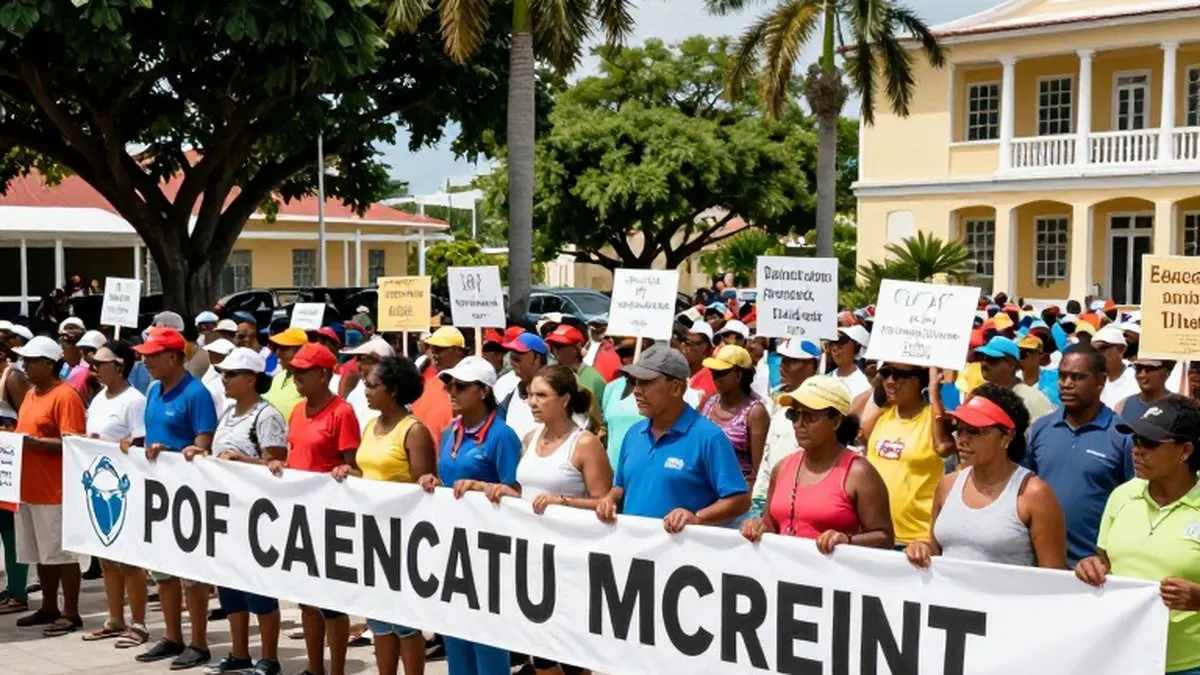
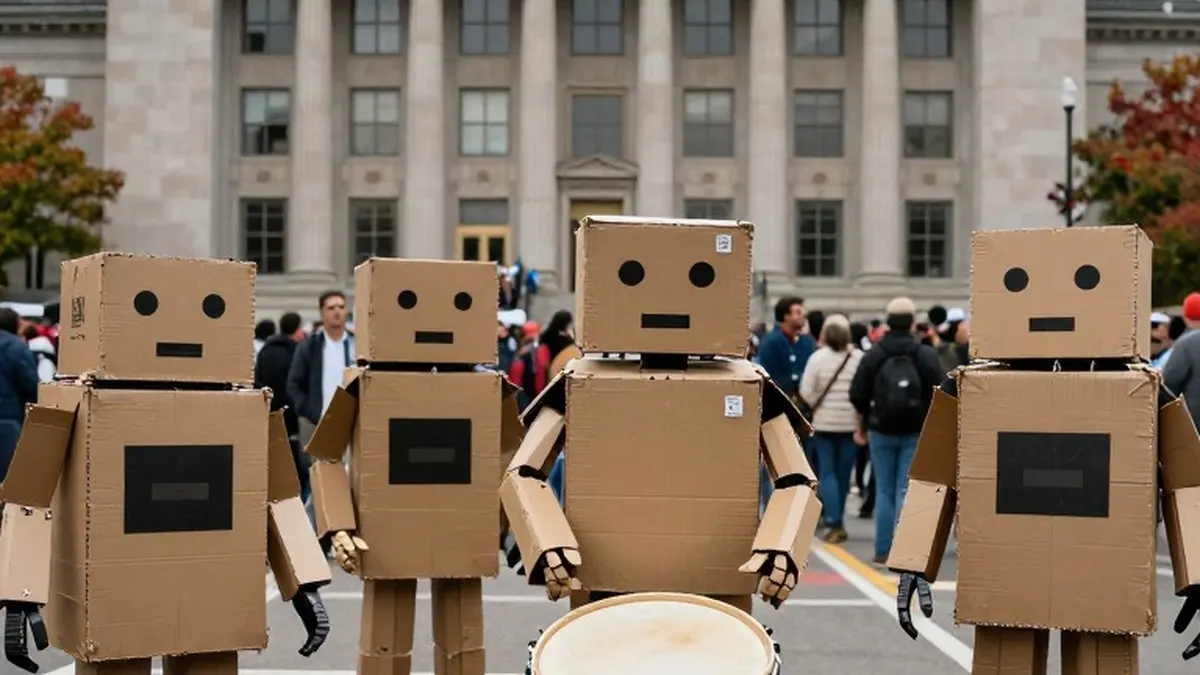
In Oakland, demonstrators wearing cardboard robot costumes gathered outside City Hall in October, chanting and dancing to drums. They warned that new facilities could strain the electricity grid and drive up residents’ bills. Carlos Gutierrez, an activist with Communities for a Better Environment, said some households were considering disconnecting their electricity because of rising prices. Oakland approved its moratorium on October 6, following days of protests.
The resistance is particularly notable in a region that hosts Anthropic, OpenAI and Meta, and where AI growth has been credited with helping revive the local economy. Data centres contain the chips and servers that power services including Claude and ChatGPT. They need electricity around the clock and substantial water supplies for cooling. Even with cooling systems, their heat emissions can increase land surface temperatures by as much as 9 degrees Celsius, or 16 degrees Fahrenheit.
The debate has divided the two Democrats seeking the congressional seat held by Nancy Pelosi, who is retiring at the end of the year after 39 years in the House of Representatives. State Senator Scott Wiener opposes a blanket data centre ban, arguing it could weaken AI regulation. San Francisco Supervisor Connie Chan supports a nationwide moratorium until responsible AI rules are established and helped lead the passage of her city’s pause in early October. A University of Southern California poll in mid-October put Wiener ahead, 47 percent to 41 percent.
Opposition extends beyond California. According to the Pew Research Center, the United States has more than 3,000 operating data centres and over 1,500 in development. An October CNBC survey found that 63 percent of registered voters opposed having a facility built within 10 miles, or 16 kilometres, of their homes.
San Francisco political analyst Shum Preston said the moratoriums had encountered relatively little resistance at local hearings. He suggested that developers might be avoiding politically difficult confrontations before the election and could become more vocal once temporary restrictions expire. San Francisco, Brisbane and Oakland initially halted construction for 45 days, with possible extensions.
Officials also face difficulties identifying and assessing the facilities. San Francisco Supervisor Shamann Walton, who sponsored the city’s ordinance, said its planning code still uses a definition dating to 2001. That language makes counting data centres difficult and can hinder scrutiny of their electricity and water consumption.
Roger Lin, a senior attorney at the Center for Biological Diversity, questioned whether 45 days would allow sufficient environmental study and the development of regulations. He also said nondisclosure agreements can leave even local air quality boards without information about facilities’ effects.
Industry supporters point to data centre expansion as a sign of economic strength, while Anthropic is preparing an initial public offering likely to raise billions of dollars. Critics question whether that growth will benefit the wider Bay Area. Their concerns include wealth becoming more concentrated in a city already experiencing some of the country’s highest and fastest-rising residential rents.
Source: Al Jazeera