Deep Brain Stimulation Restores Woodcarver's Motor Control After Parkinson's Diagnosis
An Arizona artist who lost the ability to hold a fork due to tremors regained steady hands following a surgical procedure that sends electrical pulses to the brain.
By Kavya Lin ·
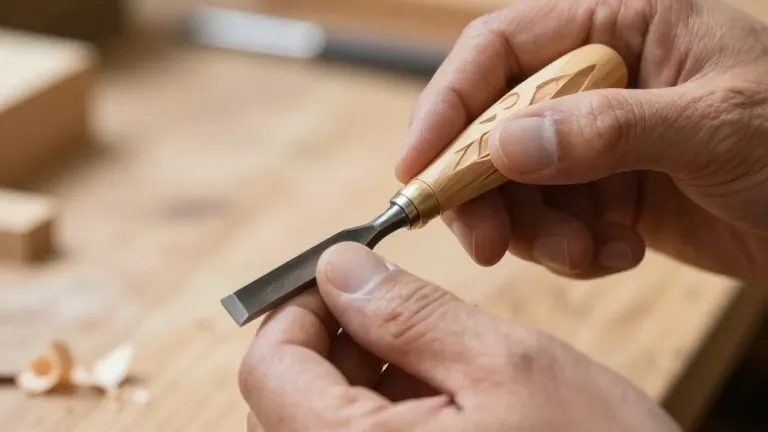
Bill Daggett, an Arizona woodcarver, has regained the steady hand necessary to carve after undergoing deep brain stimulation surgery to treat advanced Parkinson's disease. The procedure addresses the severe tremors that previously prevented him from performing basic daily tasks, including eating and holding his carving tools.
The diagnosis began when a physician attending an art exhibition observed Daggett's visible shaking. That observation led to a formal diagnosis of Parkinson's disease. Daggett stated that the progression of his symptoms was severe, noting that he was shaking so badly he could hardly eat and stopped going out in public due to the embarrassment and depression associated with his condition.
Daggett opted for deep brain stimulation, commonly known as DBS, after medication failed to provide sufficient relief. The therapy involves implanting a device that sends electrical pulses to specific areas of the brain to interrupt the signals responsible for tremors. Sam Cradduck, a gerontologist and host of the program Aging Untold, described the technology by comparing it to a cardiac pacemaker. He explained that the device helps the brain reset its rhythm, thereby reducing tremors and mitigating some side effects of the disease's progression.
Cradduck emphasized that the intervention represents a major improvement in quality of life for patients who have managed the condition for years. He noted that while medical discussions often focus on physical decline, the emotional impact of losing one's identity is frequently overlooked. In Daggett's case, the disease was robbing him not just of physical ability, but of his connection to art. Cradduck stated that the therapy addresses this loss by allowing patients to retain the creative capabilities that define them.
Daggett is now able to carve with steady hands. The case illustrates how DBS can restore functional independence for individuals with motor disorders. The procedure allows patients to resume activities that were previously inaccessible due to involuntary muscle movements.
The story serves as an example of how medical technology can intersect with artistic expression. For working families and individuals with chronic conditions, such interventions offer a pathway back to daily life and professional hobbies. The procedure is not a cure, but it manages symptoms to a degree that allows for a return to normal activities.
Daggett's experience highlights the tangible benefits of neuromodulation in treating Parkinson's disease. By targeting the specific neural pathways that cause tremors, the surgery provides a mechanical solution to a biological problem. This allows patients like Daggett to maintain their skills and livelihoods despite a chronic diagnosis.
Source: WALA-TV