UH faculty sustain Kahoʻolawe restoration through music and education
A new album and November 13 concert mark 50 years of the Protect Kahoʻolawe ʻOhana, while classrooms and family boats keep the island's cultural recovery active.
By Kavya Lin ·
Fifty years after nine activists landed on Kahoʻolawe in 1976 to protest military bombing, University of Hawaiʻi faculty are using music and education to maintain the island's cultural legacy. The anniversary marks a half-century since the movement began, following nearly 50 years of U.S. military strikes that devastated the land. The Protect Kahoʻolawe ʻOhana formed in direct response to that destruction, and the bombing finally ceased in 1990 after 15 years of advocacy.
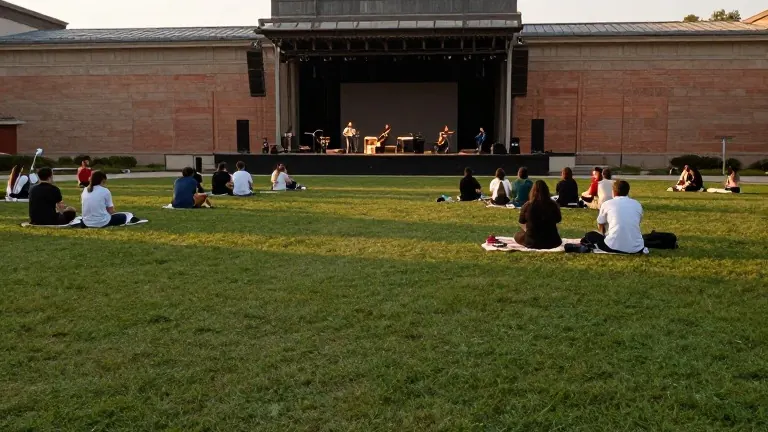
The commemoration culminates on November 13 with a concert at Bishop Museum, running from 5 to 9 p.m. on the Great Lawn. The event features musicians including Ikaakamai, Kimié Miner, and Kaʻikena Scanlan. Proceeds from the show will support the ʻOhana. A companion album, 50 Years of Aloha ʻĀina, is now available on all music platforms.
Isaac ʻIkaʻaka Nāhuewai, a student engagement coordinator at UH Hilo, helped develop the album. He wrote the 12 original mele, directed the Protect Kahoʻolawe Band, and produced five tracks. Nāhuewai, who is also a PhD candidate at UH Mānoa, views the project as a method for preserving history across generations. He noted that singing together creates a collective spirit and fosters aloha lāhui, or love for the people.
The academic work extends into the classroom and onto the island itself. Kaipu Keala, an assistant professor at the Kamakakūokalani Center for Hawaiian Studies, describes aloha ʻāina as a sacred relationship that guides daily responsibilities. He argues this value functions as a way of life rather than a simple slogan, affirming Hawaiian beliefs as the foundation for caring for the land.
Kumu Kaliko Baker, an associate professor at the Kawaihuelani Center for Hawaiian Language, leads the I Ola Kanaloa program. On Kahoʻolawe, students practice Hawaiian language, remove invasive plants, and care for historical sites. Baker stated that current students have more accessible pathways for civil action through campus Hawaiian knowledge spaces, reducing the personal risks faced by earlier activists.
Logistical support for these efforts often relies on family networks. Kaulu Luʻuwai, an attorney at the Ka Huli Ao Center for Excellence in Native Hawaiian Law, helps transport volunteers to the island aboard the family boat, Pualele. Her grandfather began this service in 1983, and her father and brothers continue the work today. Luʻuwai described the role as a heavy kuleana, or obligation, to safely support the ʻOhana's ongoing restoration work.
Source: University of Hawaii News