
Wolf packs enter Finnish villages after Google clears forest for AI sites
Displaced wildlife is moving into residential areas near unauthorized data center construction sites in eastern Finland, prompting local safety concerns.
By Kavya Lin ·
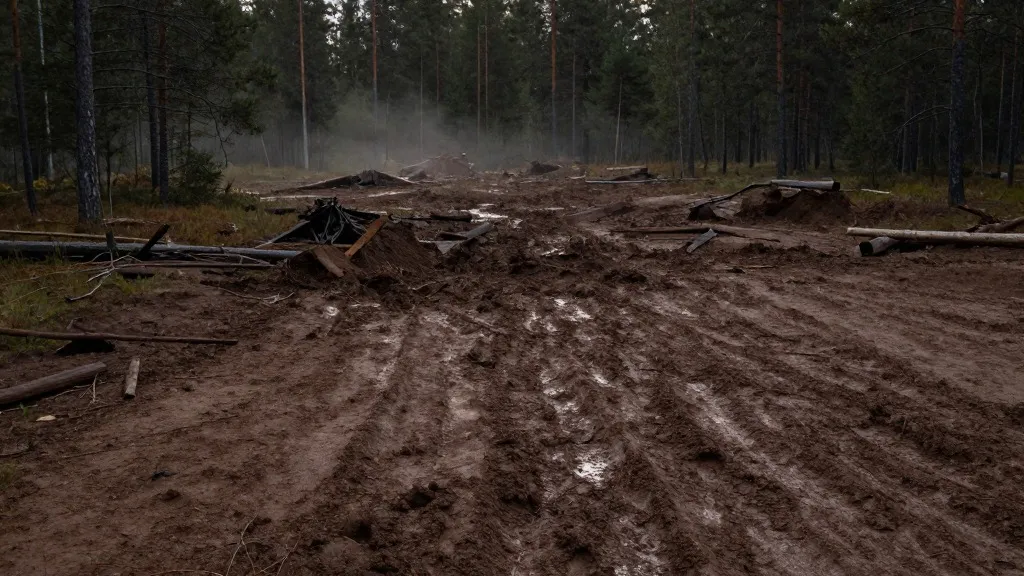
The quiet isolation of eastern Finnish villages has been disrupted by a new and unexpected visitor: the gray wolf. As construction activity for artificial intelligence infrastructure accelerates in the region, local residents report that wild animals, displaced from their natural habitats, are increasingly venturing into residential areas. This shift in wildlife behavior has turned a distant environmental dispute into a tangible safety concern for families living near the developing sites.
The primary driver of this ecological disturbance is the extensive clearing of forested land by Google in the Muhos and Kajaani regions. According to recent reports, the American technology giant has cleared approximately 816 acres of forest near Muhos, transforming the dense woodland into a large expanse of mud. Additionally, roughly 500 acres of forest have been removed near the village of Otanmäki, located 55 miles southeast of the Muhos site. These areas were previously home to wolf packs and other wildlife, which now lack sufficient cover and territory in their immediate surroundings.
Local anger over the environmental impact of the data centers has been building for months, but the recent appearance of wolves in villages has intensified the tension. Anni Ranta, a 53-year-old resident of Otanmäki whose family has lived in the area for generations, noted that the displacement of wild animals has brought them directly into the community. She explained, “We had wolves coming into the village because all the wild animals moved out of the forest.” Beyond the immediate wildlife issue, Ranta expressed concern that the presence of major U.S.-owned infrastructure might make Finland a more attractive target for Russian aggression.
Regulatory authorities have begun to intervene in the dispute. The Finnish Licensing and Supervision Authority, known as LVV, has issued an order requiring Google to cease development activities in the affected areas near Muhos and Otanmäki. This move follows a notice given earlier this month to halt construction in these specific zones. The intervention suggests that regulators view the extent of the unauthorized clearings as significant enough to warrant a pause in operations while the situation is reviewed.
A representative for the Finnish Association for Nature Conservation, or SLL, indicated to The Guardian that Google’s handling of environmental policies in this instance has been unprecedented and clearly in violation of established guidelines. The association’s stance aligns with the regulatory action taken by the LVV, reinforcing the view that the company operated with a degree of autonomy that exceeded its authorized permissions during the initial phases of land preparation.
In response to the regulatory orders, Google’s Finland country manager has issued an apology for the unauthorized forest clearings. A company spokesperson stated that Google intends to fully comply with the LVV’s requests in this matter. The spokesperson added, “We look forward to maintaining an active, open dialogue with all authorities to strengthen our partnership with Finland and local organizations.” This measured response suggests the company is aiming to preserve its relationship with Finnish regulators while addressing the specific grievances raised regarding the Muhos and Kajaani sites.
The concerns raised by locals are not limited to the visual impact of the mud flats. Residents have also reported on various other side effects of the construction, including persistent factory noise, streams turning brown due to runoff, and the displacement of rare bird species. These issues mirror complaints frequently heard in other countries where AI data centers are being built, highlighting a common pattern of environmental friction in the rapid expansion of digital infrastructure.
While the dispute centers on environmental management, it also touches on broader geopolitical and economic interests. Google must now balance the promised business benefits of its Finnish data centers against the growing scrutiny from regulators and local communities. The company faces the challenge of demonstrating that it can meet its AI expansion goals while respecting local ecological boundaries and addressing the immediate safety concerns of residents who now share their neighborhood with displaced predators.
The situation remains in flux as work pauses in the affected areas. For the residents of Muhos and Otanmäki, the immediate focus is on the safety of their homes and families in the face of returning wildlife. The outcome of the dialogue between Google and Finnish authorities will likely set a precedent for how future large-scale AI infrastructure projects are managed in environmentally sensitive regions of Finland.
Source: Tom's Hardware · original report published