Genetically Engineered Canines to Bolster U.S. Defense Capabilities
Warhound emerges from stealth with $200 million to genetically modify service dogs for the military and law enforcement, aiming to improve animal health and operational safety.
By Pavel Henderson ·
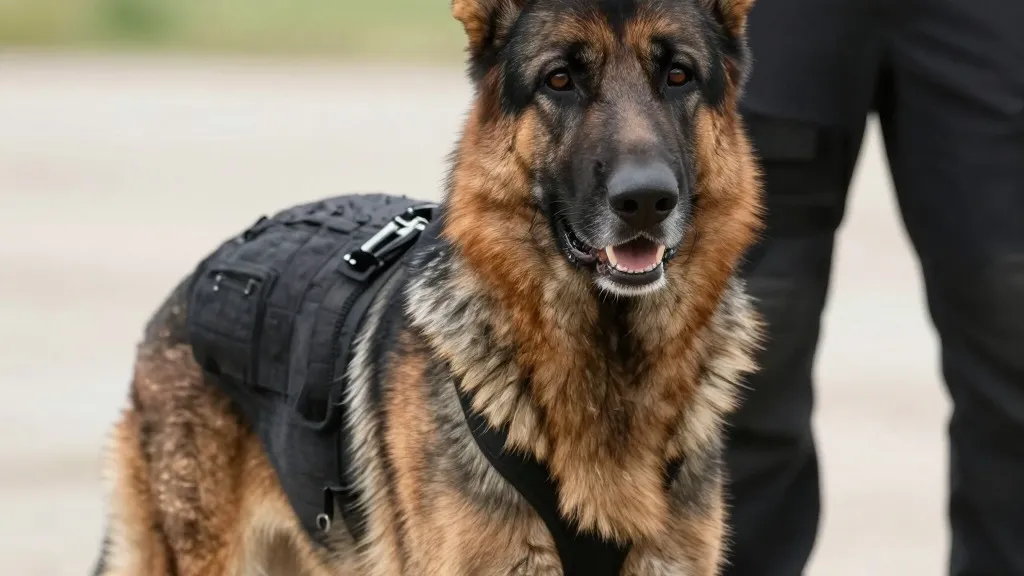
Warhound, a venture seeking to genetically engineer working canines for the U.S. military and law enforcement, has officially launched with a $200 million funding round. The company, founded by Colossal Biosciences’ Ben Lamm and Anduril’s Palmer Luckey, emerged from stealth on Thursday with backing from investors including Sequoia, 8VC, Corner Ventures, and the intelligence agency-affiliated In-Q-Tel. The round brings the company’s valuation to $1.2 billion.
The core mission addresses a critical shortage in the supply of service dogs. Warhound noted in its launch announcement that over 80% of the U.S. military's working dogs are currently sourced from Europe, yet fewer than half of those animals qualify for service. This reliance on foreign nations for dogs intended for hazardous duties creates a strategic vulnerability. By engineering dogs with specific genetic traits, Warhound aims to produce animals suited to demanding missions, thereby domesticating the supply chain for bomb detection, searches, and other specialized operations.
The genetic strategy targets specific health issues that currently undermine the longevity and performance of service animals. Lamm explained that he met Luckey approximately a year ago, following a discussion regarding the welfare of military working dogs. Research into breeding practices revealed that many animals are eliminated during training due to inherited conditions, including poor eyesight, hip dysplasia, muscle atrophy, and high susceptibility to cancer.
To counter these issues, Colossal’s team has analyzed top-performing breeds, specifically the Belgian Malinois and German Shepherd. The process involves extracting cell lines from high-performing specimens to create a biobank. From there, the team intends to edit the genetic code, removing markers for disease and adding those that enhance performance, effectively creating “a new type of dog.” Lamm stated that the goal is to enhance health, longevity, speed, agility, and olfactory sensors for bomb sniffing.
The biological modifications will be paired with hardware and software provided by Anduril. The company plans to equip dogs with protective vests and goggles to assist handlers with situational awareness and coordination. Lamm described a scenario involving bulletproof vests equipped with data sensors that relay information to handlers, allowing for a better understanding of the environment. He emphasized that these additions, such as sensor-laden vests, are designed to be “on top of the dog, not in the dog,” augmenting the animal's safety without altering its biological nature further.
Regarding the operational timeline and regulatory pathway, Lamm indicated that the initial batch of dogs is prepared for cloning and incubation. Births are expected early next year, with the animals ideally entering service within two years. The cloning will be performed by Viagen, a company owned by Colossal. While the pricing structure for the animals has not been set, the company intends to sell them to first responders, the Department of Defense, and police forces. Lamm confirmed that the company has briefed various government groups regarding the business.
Warhound is operating under the guidance of the American Humane Society to certify its training program. The organization expressed support for the venture in a statement, saying, “We applaud Warhound and Colossal for inviting the country’s first national humane organization, which is grounded in science and ethics, to have a seat at the table. We look forward to working with them to help ensure the animals in their care are treated humanely.”
Source: TechCrunch · original report published