SpaceX Rejects Three Military Launch Contracts
The aerospace giant passed on three US Space Force deals, while a Spanish rocket maker and a Canadian startup push forward with their own ambitious timelines.
By Haruka Ivanov ·
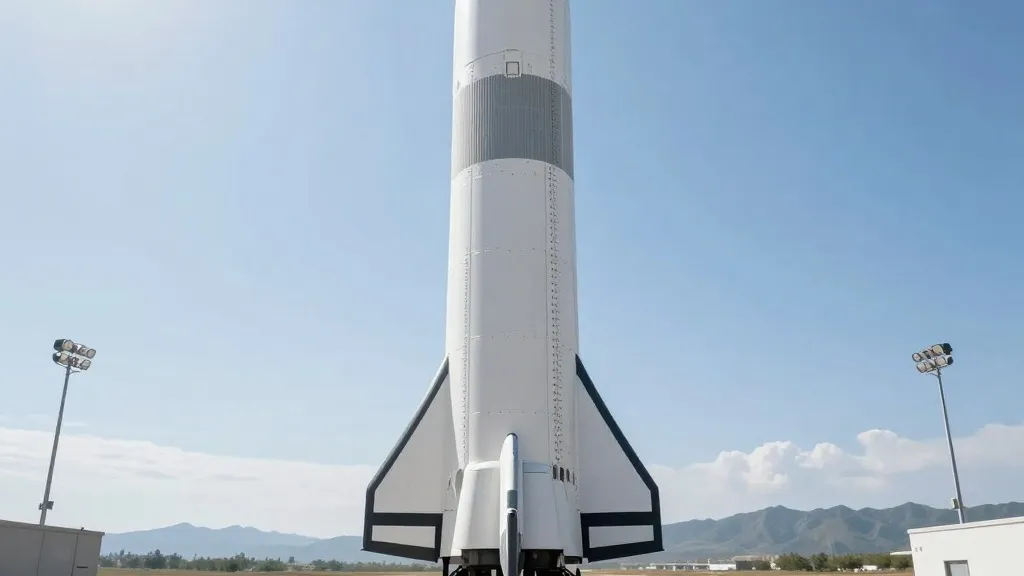
Three. That is the number of military launch contracts SpaceX recently turned down. The company has officially told the US Space Force that it is not interested in these specific deals. This decision came as a surprise to many in the industry. It marks a clear shift in how the private sector is engaging with government space programs. The rejection highlights a complex relationship between private innovation and public defense needs.
The numbers surrounding this week's news are significant. SpaceX is not the only player moving fast. In Spain, PLD Space is closing in on a major milestone. They have completed the full integration of the second stage for their Miura 5 rocket. This specific stage is currently at their test facility in Teruel. It is undergoing a rigorous qualification campaign. This includes a wet dress rehearsal and a static hot-fire test. These tests are critical for ensuring the vehicle can withstand the rigors of spaceflight.
PLD Space has already manufactured three Miura 5 rockets. The first of these is slated for its inaugural flight next year. The other two were built to qualify key system elements. CEO Raúl Torres explained that building three vehicles allowed their teams to work continuously. This approach lets them apply lessons learned from each qualification campaign directly to the launch vehicle. This iterative process is designed to speed up development and improve reliability. The goal is to have a small-lift vehicle ready for its first flight before mid-2027.
On the other side of the Atlantic, Reaction Dynamics is making its own moves. This Canadian startup is seeking to raise $350 million. The funds are intended to grow their staff significantly. They plan to expand their team from 68 people to more than 350. This headcount increase is crucial for their development plans. The company is currently developing the small-lift Aurora rocket. They hope this vehicle will reach orbit in 2028. This timeline places them in a competitive window for small-lift launch services.
Reaction Dynamics is not stopping at small-lift vehicles. They have also announced plans to build a medium-lift rocket called Borealis. The debut for this larger vehicle is targeted for 2031. This dual-track approach shows their ambition to cover different market segments. By expanding their workforce, they aim to accelerate the development of both rockets. The $350 million raise is a key step in this expansion. It signals confidence in their technology and market position.
Back in the United States, the focus remains on SpaceX. Beyond the rejected military contracts, there is another development on the civil space side. A NASA safety panel has weighed in on the Starship vehicle. They indicated that Starship may require up to 22 refuelings to support a lunar landing. This is a substantial number. It underscores the complexity of in-orbit refueling operations. The panel's assessment adds another layer of technical challenge to the lunar mission plans.
The stakes for these companies are high. For SpaceX, turning down military work suggests a strategic focus on other priorities. It may reflect a desire to streamline operations or focus on larger, more lucrative contracts. The 22-refueling requirement for Starship is a technical hurdle that must be overcome. Solving this will be essential for the success of lunar missions. The safety panel's input is a crucial part of the regulatory and technical process.
PLD Space's progress in Spain is a notable achievement for the European launch industry. Completing the second stage integration is a major step. The upcoming tests will provide valuable data. Success here could pave the way for more frequent launches in the coming years. The company's ability to produce three vehicles simultaneously demonstrates manufacturing maturity. This capability is often a differentiator in the competitive launch market.
Reaction Dynamics' fundraising effort reflects the broader trend of private investment in space. The expansion from 68 to 350 employees is a significant logistical undertaking. It will require new facilities and training programs. The timeline for the Aurora and Borealis rockets is aggressive but plausible given the current pace of development. The industry is moving quickly, and these companies are positioning themselves to be key players in the next decade.
The space industry is in a period of rapid change. Decisions made by major players like SpaceX ripple through the market. Smaller companies like PLD Space and Reaction Dynamics are carving out their own niches. The coming months will be critical for all of them. For now, the focus remains on testing, fundraising, and strategic positioning. The next few years will determine which companies lead the new wave of space exploration.
Source: Ars Technica · original report published
More Business · Watch Your Wallet · Report a business · Got a Story?