2026: The Year Tesla Cybercab Sales Finally Begin
Tesla has set a specific timeline for private customers to purchase the autonomous Cybercab, marking a shift from internal fleet use to broader market availability.
By Kavya Lin ·
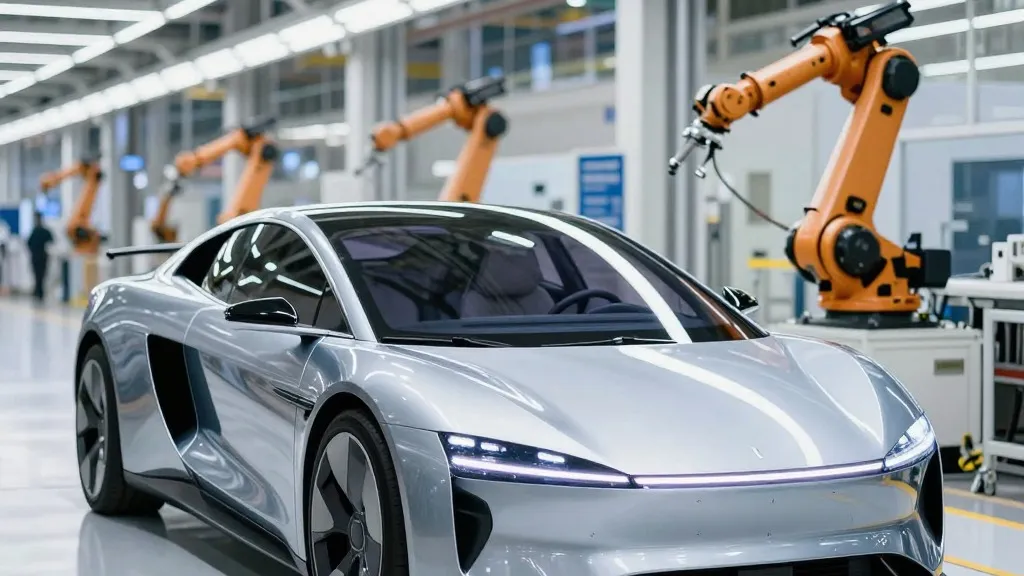
Tesla has officially confirmed that private customers can expect to receive the first units of the Cybercab before the end of this year. This announcement, made during the company's third-quarter 2026 earnings call on October 21, puts a specific date on a product that has long been the subject of speculation regarding its market readiness. The move signals a transition from testing phases to actual commercial delivery for Tesla's most distinct vehicle design.
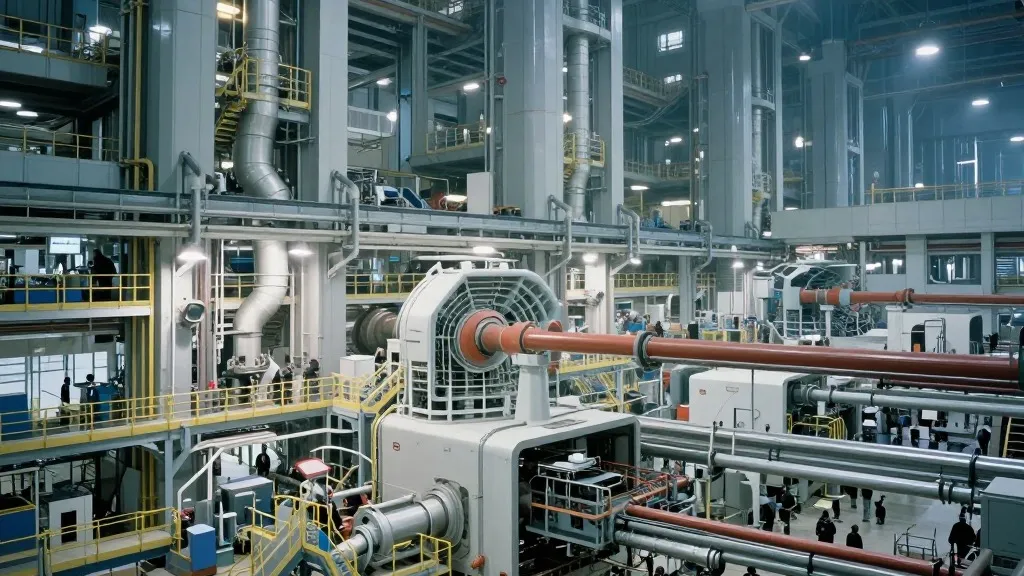
The first key point to understand is that the initial rollout will be modest. Lars Moravy, Tesla's Vice President of Engineering, clarified that while production is currently active at the Gigafactory Texas, every unit rolling off the line is being directed into Tesla's internal Robotaxi fleet. This strategic choice allows the company to refine its operational capabilities before handing keys to the public. The goal is to deliver these fully designed autonomous vehicles to customers only after the company has sufficient confidence in its systems.
Secondly, the business model for the Cybercab is fundamentally different from Tesla's traditional passenger cars. Elon Musk described the vehicle primarily as a "transport-as-a-service" offering rather than a standard personal ownership product like the Model 3 or the upcoming Roadster. He stated that the vast majority of Cybercab units will remain Tesla-owned. This approach suggests that the vehicle is intended to function as a core part of a shared mobility network, with private sales serving as a secondary market segment.
The third critical factor is the operational experience Tesla is gaining. Moravy noted that initial customer deliveries will start small to allow the team to learn the logistics of delivery, ownership models, and fleet management. Operating autonomous vehicles outside of Tesla's direct control presents unique challenges. By keeping the initial private sales volume low, the company can mitigate risks associated with maintaining and updating a distributed fleet of driverless vehicles.
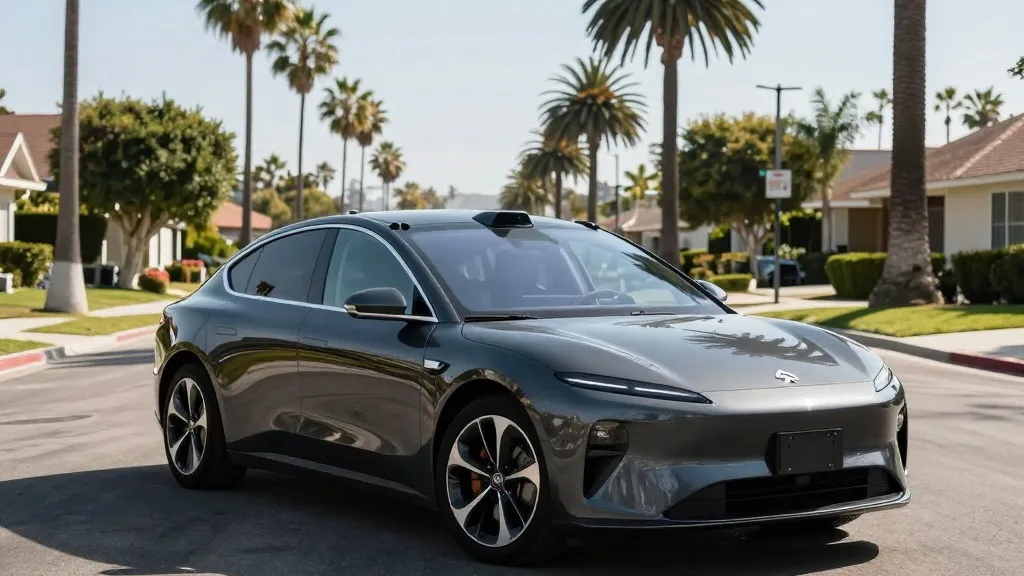
Contextually, the Cybercab is a two-seater vehicle that lacks a steering wheel and pedals, relying entirely on Tesla’s Full Self-Driving suite. Production of the car began in February of this year. Early units were integrated into the Robotaxi service in early September, coinciding with the launch of public rides. Tesla has previously indicated an intended price point of approximately $30,000 for the vehicle, positioning it as an affordable option for autonomous transportation.
Looking ahead, there are still regulatory and technical hurdles to clear. Ashok Elluswamy, Tesla’s Head of AI, indicated that unsupervised Full Self-Driving is expected to ship to consumer cars during the second quarter of 2027. However, early Cybercab buyers or fleet operators may find that their vehicles' autonomous capabilities are geographically restricted. These limitations are often due to the pace of regulatory agencies, which may not yet be fully aligned with the technology's deployment speed.
For California readers and investors, this timeline confirms that the Cybercab is no longer just a prototype but a near-term market entrant. The emphasis on a service-based model over private ownership could reshape how consumers think about electric vehicle purchases. As Tesla scales operations, the balance between its internal fleet and private customer units will be a critical metric to watch in the coming months.
In summary, the definitive date for Cybercab deliveries marks a significant milestone in Tesla's autonomous vehicle strategy. By prioritizing its internal fleet first, the company is ensuring that the private market receives a product that has been thoroughly vetted in real-world conditions. This phased approach aims to build trust in the technology while establishing a sustainable business model for the future of transportation.
Source: Teslarati · original report published
More Business · Watch Your Wallet · Report a business · Got a Story?