
NASA reveals 22 rockets may be needed for Moon landing
A new internal estimate suggests SpaceX must launch 22 Starships to fuel a single lunar mission, raising concerns about the Artemis timeline.
By Pavel Henderson ·
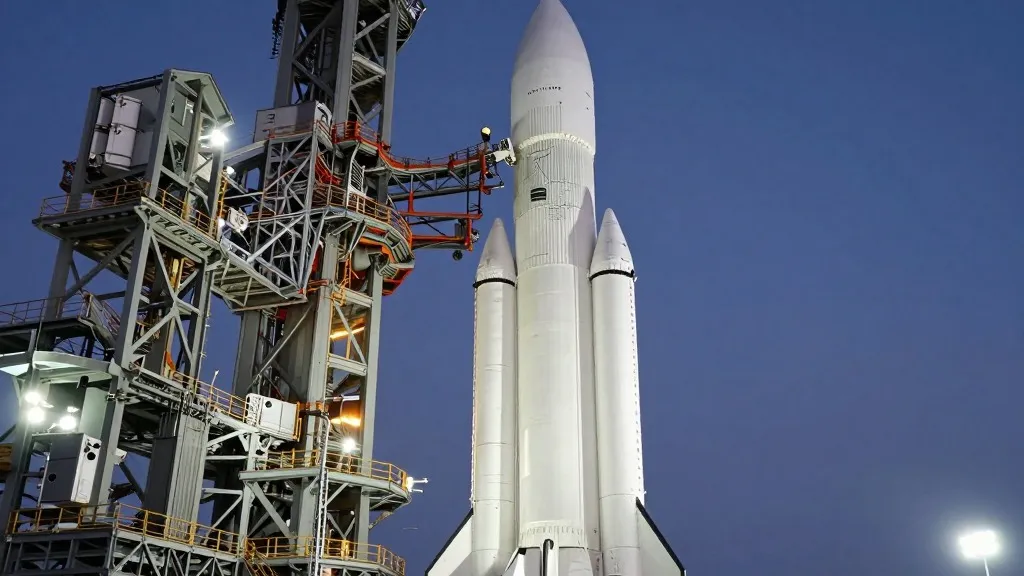
SpaceX and NASA are facing a significant logistical hurdle as a new internal estimate suggests that twenty-two Starship launches may be required to support a single crewed Moon landing. This figure marks a substantial shift from previous, more optimistic projections and highlights the complex engineering challenges inherent in the Artemis Program. The revelation comes from a recent review of the mission architecture, which details the massive amount of propellant needed to send a vehicle to the lunar surface and back.
The primary reason for this high number is the sheer volume of fuel required to propel a large lander from low-Earth orbit to the Moon. The plan involves launching a dedicated depot vehicle to orbit, followed by a series of tanker flights to load it with liquid oxygen and methane. The new estimate of twenty-two total launches implies that nineteen of these flights would be dedicated solely to refueling the depot. This approach is necessary because the current lift capacity of the Starship rocket is not yet sufficient to deliver all the required propellant in a single trip or a few quick follow-ups.
This new figure stands in sharp contrast to earlier statements from NASA officials who previously indicated the number would be in the high single digits or low double digits. In 2023, Lisa Watson-Morgan, who led the Human Landing System at the time, described the number as being between a high single digit and a low double digit. This earlier guidance suggested a requirement of approximately twelve launches. The jump to twenty-two reflects a more conservative assessment of the vehicle's performance and the efficiency of the refueling process in orbit.
The shift in the estimate has raised concerns within the agency about the feasibility of meeting the current decade's timeline for returning humans to the Moon. Some officials are worried that the Starship rocket may not improve its payload capacity quickly enough to reduce the number of tanker flights. If the vehicle cannot lift more mass per launch, the number of required trips will remain high, placing a heavy burden on the launch cadence and the safety protocols for on-orbit operations.
The details of this estimate were shared during a quarterly meeting of the NASA Aerospace Safety Advisory Panel held on Thursday. Charlie Precourt, a former NASA astronaut and member of the panel, discussed the risks associated with the program. His remarks underscored the critical nature of the launch count, as each additional flight introduces new variables for safety and coordination. The panel's focus on this metric highlights how the number of launches is not just a logistical detail but a central factor in the overall risk profile of the mission.
The Artemis Program has historically kept this specific number close to the chest, treating it with a level of secrecy comparable to other sensitive technical data. NASA has often preferred to say that it did not know the exact figure rather than provide a potentially misleading target. This cautious approach has made the new estimate of twenty-two launches particularly notable, as it represents a concrete data point that stakeholders can now use to evaluate the program's progress and challenges.
The reliance on a depot in low-Earth orbit is a key component of the current lunar architecture. By assembling the fuel supply in orbit, NASA and SpaceX aim to decouple the launch process from the final lunar trajectory. However, this strategy requires a high degree of precision in docking and refueling operations. The increased number of launches means more opportunities for potential errors, making the safety protocols even more critical as the program moves closer to its first crewed missions.
Looking ahead, the next steps will involve monitoring the performance of upcoming Starship test flights. If SpaceX can demonstrate significant improvements in payload capacity, the number of required tanker flights could decrease. Until then, the estimate of twenty-two launches serves as a benchmark for the current state of the technology. For readers in California, this development underscores the ongoing importance of the launch sites along the coast, which will play a central role in executing these numerous flights to support the lunar program.
The outlook for the Artemis Program now hinges on the pace of technological improvement. If the lift capacity does not increase as hoped, the launch cadence must be accelerated to fit within the desired timeframe. This scenario would require a level of operational consistency that is rarely seen in spaceflight history. The new estimate provides a clear target for engineers and managers to work toward, but it also sets a high bar for the reliability of the Starship system in the coming years.
Source: Ars Technica · original report published