NHTSA Proposes Cyan Marker Lights to Identify Driverless Vehicles
Federal regulators are seeking to standardize a distinct blue-green light for autonomous vehicles while removing obsolete manual control requirements from safety standards.
By Kavya Lin ·
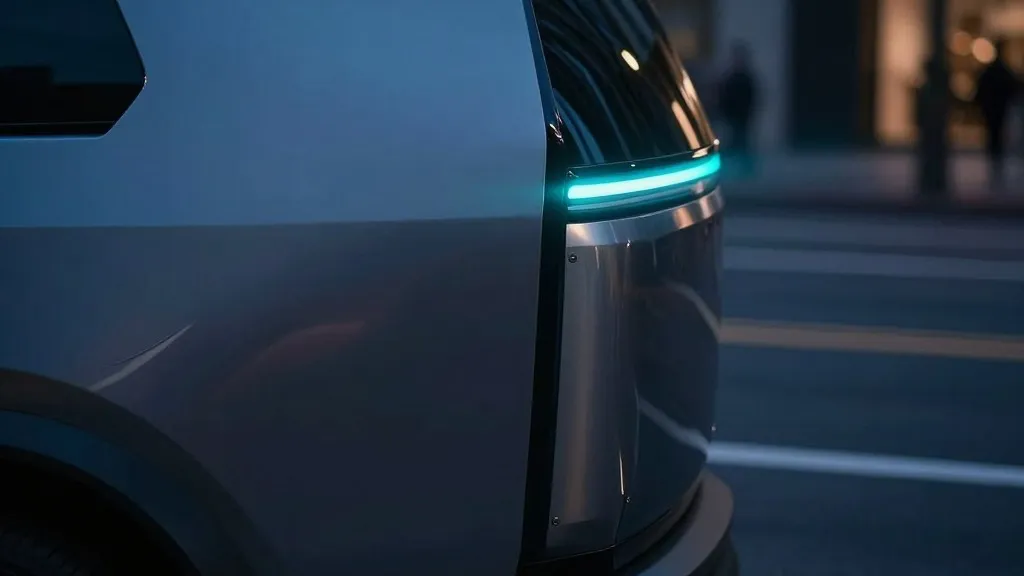
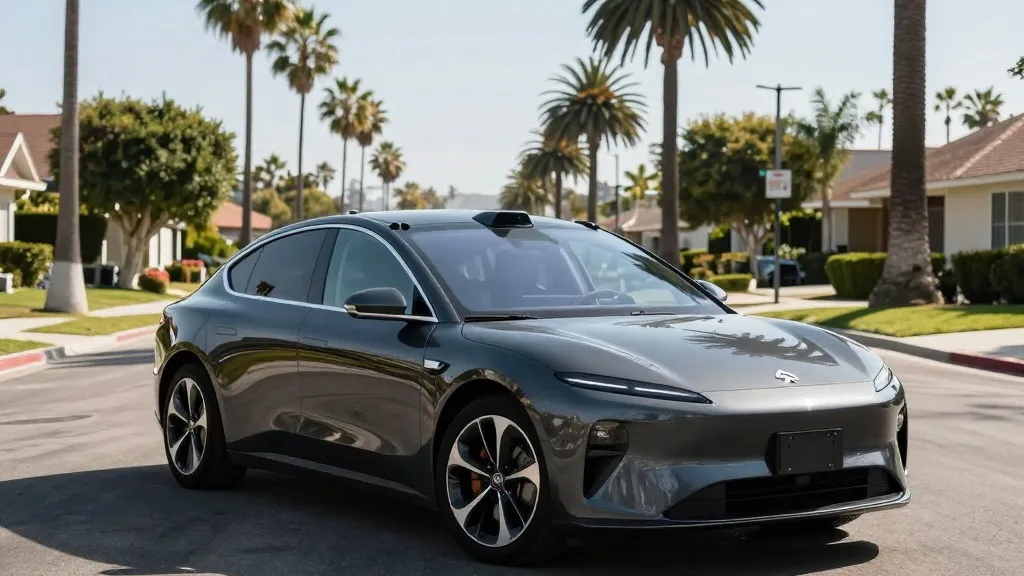
The National Highway Traffic Safety Administration has formally proposed a new federal standard that would allow autonomous vehicles to signal their driverless status to other road users using cyan-colored marker lamps. This regulatory move aims to resolve years of industry debate regarding how self-driving cars should visually communicate that no human is operating the controls. By establishing a specific color and configuration, the agency seeks to create a uniform national language for automated driving systems, replacing the fragmented approaches previously taken by individual manufacturers.
Under the proposed revisions to Federal Motor Vehicle Safety Standard No. 108, the cyan light is designed to be distinct from existing automotive lighting conventions. The agency noted that red, amber, white, and flashing blue or red lights are already heavily utilized for brake lights, turn signals, headlights, and emergency vehicles. Cyan fills a visual gap in the spectrum, offering a clear signal that is unlikely to be confused with standard vehicle functions or emergency services. The proposal specifies that these lights must meet official federal standards for color, brightness, and location to ensure consistency across the industry.
The adoption of this standard is not mandatory for all manufacturers, but it provides a clear regulatory pathway for those who choose to implement it. Major players in the autonomous vehicle space, including robotaxi operators like Waymo, Nuro, and Zoox, as well as traditional automakers such as General Motors and Mercedes-Benz, could adopt this setup uniformly. This standardization is intended to prevent a confusing patchwork of different colors and signals that might arise if each company developed its own proprietary lighting solution.
There is existing precedent for the use of similar lighting in the automotive industry. Mercedes-Benz previously received state-level approval to use turquoise lights on its Level 3 Drive Pilot vehicles. Although the automaker has since shifted its strategy to a Level 2++ system and scrapped the specific lighting idea, the regulatory framework for such signals remains relevant. The federal proposal seeks to elevate this concept from a state-by-state approval process to a standardized national rule that can be applied broadly across the sector.
In addition to introducing the new lighting requirements, the NHTSA is proposing to eliminate several existing rules that are no longer practical for vehicles without human drivers. Current regulations require physical components such as hazard switches, manual beam shifters, and turn levers inside the vehicle cabin. The agency argues that these controls are redundant for autonomous systems and proposes removing them to allow for more flexible interior designs. This change would enable manufacturers to build vehicles that are optimized for passengers rather than drivers.
The proposal also updates technical specifications to accommodate modern vehicle architecture. Specifically, the agency plans to revise the 12.8-volt testing standard to allow automakers to utilize modern LED systems without facing unnecessary administrative hurdles. Furthermore, NHTSA is considering removing requirements that dictate the physical positioning of high-beam lights relative to low-beam lights. These adjustments are part of a broader effort to streamline the certification process for vehicles that rely on electronic systems rather than mechanical analogues.
This regulatory update is a component of the Department of Transportation’s wider initiative to facilitate the deployment of autonomous vehicles. The government is actively working to reduce barriers for automakers who are designing cars without traditional human-operated controls, such as steering wheels and pedals. By clarifying the rules around lighting and manual controls, the agency hopes to accelerate the transition to fully autonomous fleets on public roads.
However, the regulatory environment remains rigorous even as standards are updated. Last month, the NHTSA initiated an audit query regarding the Tesla Cybercab. The agency is examining the technical data and processes Tesla relied on when certifying the vehicle, specifically focusing on the absence of required design features like sideview mirrors, pedals, and a steering wheel. This ongoing review underscores that while new standards are being drafted to accommodate autonomous technology, existing rules are still strictly enforced until formally amended.
Source: The Verge · original report published