Students win Serbian parliament majority
The Student List secured 52.54 percent of the vote, ending the political dominance of former President Aleksandar Vucic.
By Kavya Lin ·
Ordinary voters in Serbia will soon see a shift in governance after the Student List won a decisive victory in the snap parliamentary election held on Sunday. The bloc secured 52.54 percent of the vote, according to preliminary data from the Republic Election Commission (RIK) released on Monday. This result allows the movement to form a majority government without coalition partners, a structural change that may alter the pace of policy implementation for workers and families across the country.
The election results reflect a high level of public engagement, with voter turnout reaching 68.78 percent. RIK data indicates this is the highest turnout recorded in more than 30 years. The figures are based on 8,077 processed polling stations out of a total of 8,392. The United Serbia list, led by the Serbian Progressive Party of former President Aleksandar Vucic, received 39.29 percent of the ballots cast.
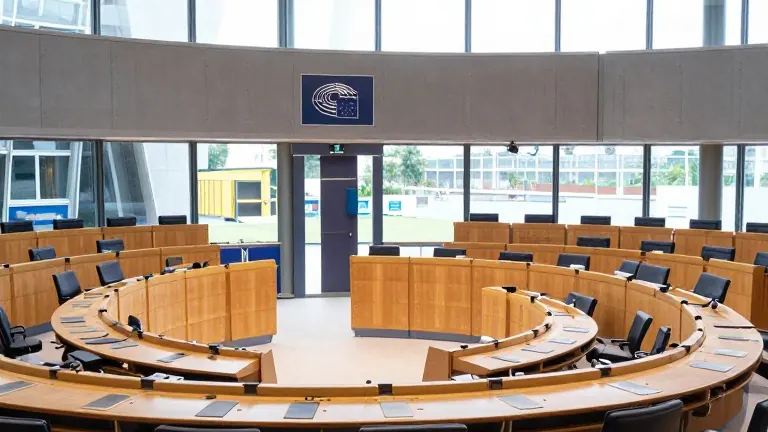
The Student List is projected to claim 140 seats in the 250-seat parliament. This exceeds the 126 mandates needed for a legislative majority. United Serbia is expected to hold 103 seats. The remaining seats are allocated to smaller groups, including the Alliance of Vojvodina Hungarians with three seats, the Albanian political bloc with two, and the Rasim Ljajc-Ljudski and SDA Sandzak lists with one each.
The political movement emerged from youth-led protests that began in 2024. These demonstrations were triggered by the death of 16 people in a railway station canopy collapse in Novi Sad. Over the following two years, the protests evolved into a campaign against corruption and the capture of democratic institutions. In its September electoral programme, the Student List pledged to improve living standards, boost employment, and ensure media freedom. It also committed to strengthening relations with neighboring countries, a contrast to the tensions that characterized Vucic’s decade-long rule.
Ilija Srdanovic, a cardiologist and professor at the Faculty of Medicine at the University of Novi Sad, is viewed as the most likely candidate for prime minister. He led the movement during the campaign. The Student List has not officially named a candidate, a strategy intended to emphasize the collective nature of the group, which includes academics, doctors, and workers. It remains unclear who will lead key ministries such as finance, justice, and internal affairs.
The new National Assembly must be established within 30 days of the final election results. A government must be formed within 90 days after the assembly convenes. Ana Brnabic, the president of the National Assembly, currently serves as the temporary head of state. She is required to call for an extraordinary presidential election by December 27, which is three months after Vucic resigned on September 27. The presidential post is largely ceremonial, as the role is elected directly by citizens rather than by parliamentary representatives.
Source: Al Jazeera