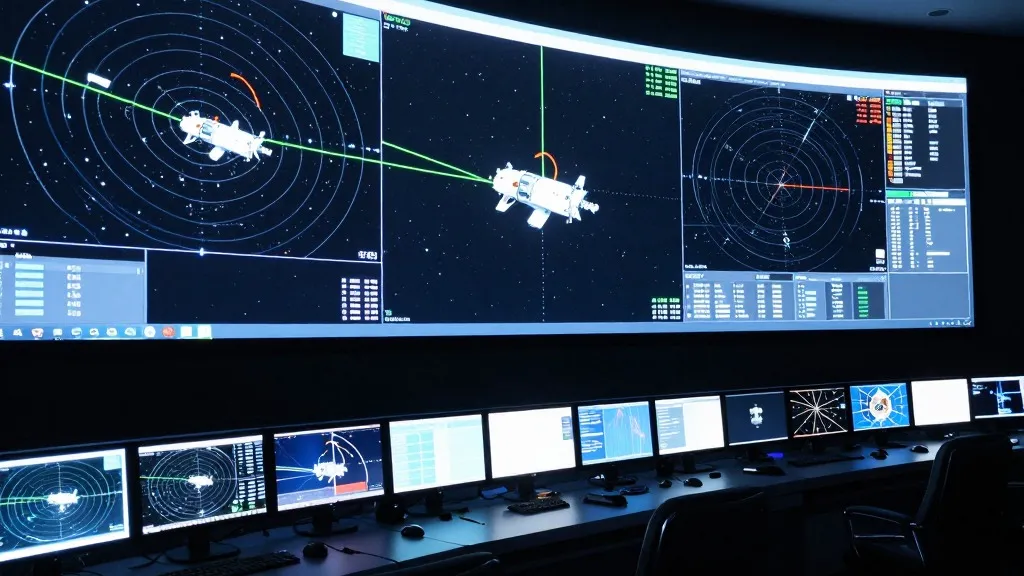
Tesla delays external Optimus robot sales to late 2027
The automator cites hand durability and AI gaps as key hurdles, while rivals like XPeng and Boston Dynamics advance their own production schedules.
By Haruka Ivanov ·
Humanoid robotics remains a high-risk sector where timelines frequently slip, and Tesla has now pushed its major commercial milestone further into the future. On its Q3 2026 earnings call, CEO Elon Musk stated that the company will begin delivering Optimus robots to outside customers around the end of 2027.
Musk explained that three core components require significant refinement before external sales can commence: the robot’s hands, its overall durability, and its artificial intelligence capabilities. These challenges are not unique to Tesla, as every major player in the humanoid sector is grappling with similar technical barriers to achieving mass production.
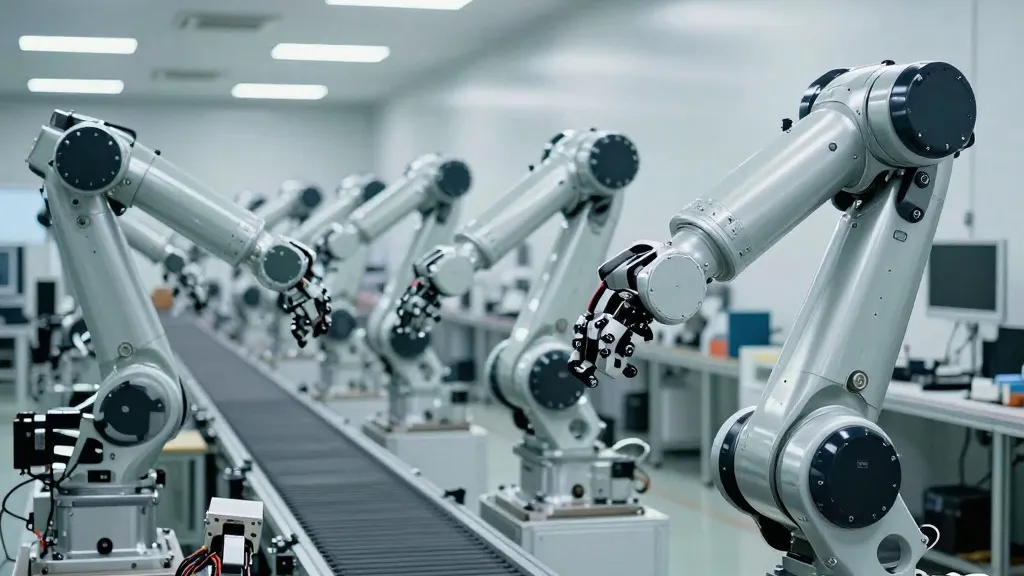
Production is currently underway at Tesla’s Fremont facility, on a high-volume line previously used for Model S and X vehicles. The infrastructure is designed to support a theoretical output of one million units annually, or roughly 20,000 units per week. However, Musk cautioned that reaching this capacity will take at least a year, potentially longer, because certain design elements are still in flux.
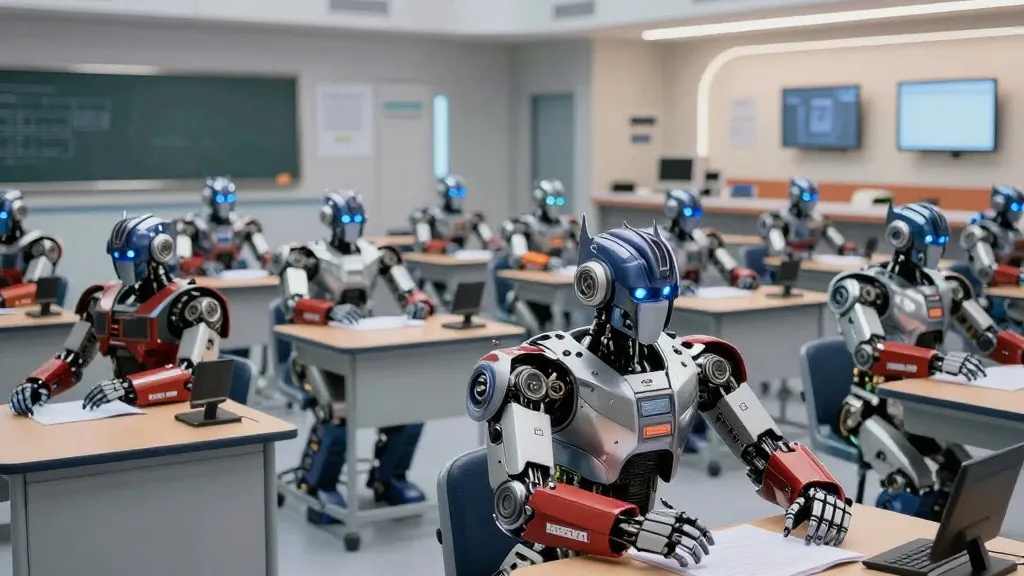
An engineer from the Optimus team identified the hand as one of the most difficult hardware areas to finalize. The fingers must be soft enough to handle delicate items yet durable enough to withstand constant wear, a combination that is difficult to achieve since robots cannot heal like human skin. Custom gears also remain a reliability concern. On the software side, Tesla is working through AI architecture issues and plans to build 10,000 to 20,000 units to practice tasks in an internal program called the Optimus Academy, since the company lacks a large fleet of robots to generate training data.
Tesla’s Q3 shareholder letter describes the current output as the first production-quality bots manufactured by the company. This marks a shift from earlier 2024 and 2025 targets, which promised internal use and limited external volume that ultimately did not materialize. The new late-2027 target for external deliveries is aimed at industrial jobs that are dangerous, repetitive, or require around-the-clock operation.
Competitors are making comparable progress, challenging Musk’s assertion on the call that no one is close to Tesla’s level of development. XPeng activated an automated production line for its IRON robot in Guangzhou in September, with over 80% of core processes automated. The company plans mass production by the end of 2026 and deliveries to stores and malls in the first half of 2027, a timeline similar to Tesla’s.
Boston Dynamics, a subsidiary of Hyundai, began producing its electric Atlas robot in January. All 2026 deployments are already committed, including partnerships with Google DeepMind. The company opened a training center at Hyundai’s Metaplant in Georgia in September, where Atlas is learning to sequence car parts. Hyundai intends to deploy 25,000 robots across its plants in the coming years. Notably, Boston Dynamics hired Milan Kovac, Tesla’s former head of Optimus, in January. This competitor has taken a pragmatic approach to hands, prioritizing sturdy grippers for industrial parts over human-like dexterity, effectively bypassing the specific issue Tesla cites as a major hurdle.
The market awaits a video from Tesla within the next month or two, which Musk promised would show the robot performing unscripted tasks. While Tesla may have built the most robots, the industry consensus is that making them useful in real-world scenarios is the true test. As competitors continue to deploy units with committed customers, the pressure on Tesla to prove its late-2027 timeline is realistic remains high.
Source: Electrek · original report published
More Business · Watch Your Wallet · Report a business · Got a Story?