Ivanishvili's Georgia faces economic boom amid political standoff
Tourist arrivals rose 8.4% to 5.5 million in 2025, even as Georgian Dream suspends EU talks and faces sustained street protests.
By Kavya Lin ·
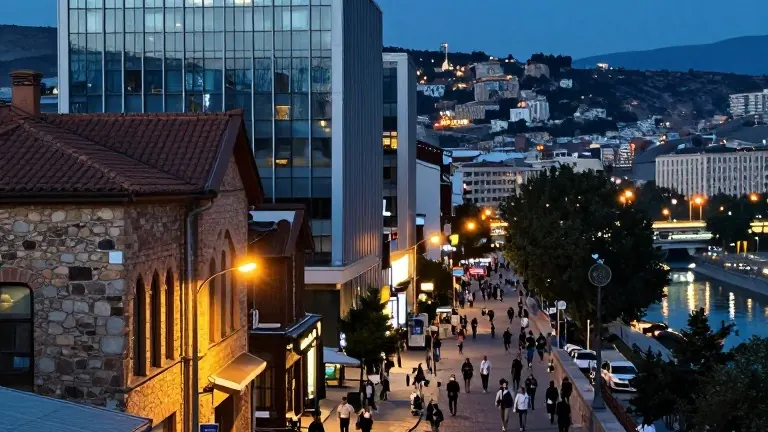
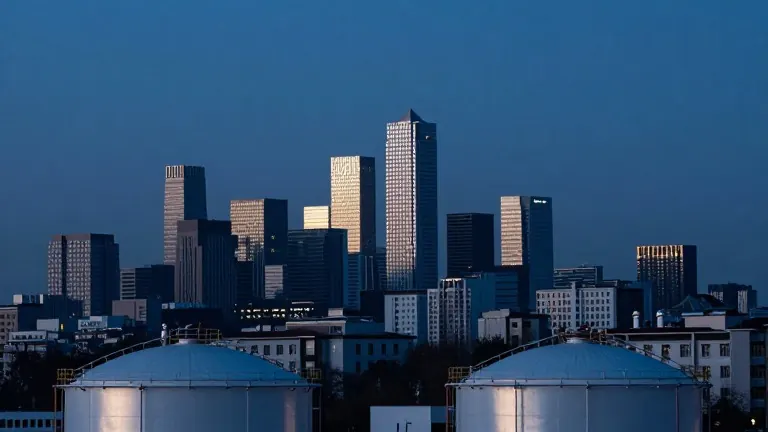
More than 5.5 million international visitors arrived in Georgia in 2025, marking an 8.4% increase over the previous year and representing nearly ten times the approximately 560,000 tourists who visited the country two decades ago.
The Georgian National Tourism Administration recorded these figures during a period of intense domestic political conflict. The government, led by the ultraconservative party Georgian Dream, has been in power since 2012. On Monday, the country marked two years since the contested parliamentary elections held on October 26, 2024, which triggered a prolonged political crisis.
Protests began two days after the elections and reached their peak on November 28, when the government stated it would not place the opening of EU negotiations on its agenda before the end of 2028. Crowds gather weekly in Avlabari Square in Tbilisi’s Armenian quarter for the Saturday March. Demonstrants march toward the Bridge of Love and Freedom Square, chanting slogans against Prime Minister Irakli Kobakhidze’s administration.
The party in power has been accused of growing authoritarianism and moving the country closer to Moscow by suspending EU accession talks, despite Georgia receiving candidate status in 2023. The opposition argues that the government's stance isolates the nation, while supporters point to strong economic indicators.
The influx of tourists, many from Russia and the Middle East, has driven economic growth but also created social friction. Following Russia’s full-scale invasion of Ukraine in 2022, tens of thousands of Russian citizens relocated to Georgia. They brought capital and opened businesses, but their demand for housing exerted pressure on the property market. This dynamic fuels discontent among locals who view Russia as an occupying power, recalling the wars in South Ossetia and Abkhazia in the 1990s and the 2008 conflict.
Russia remains a critical economic partner for Tbilisi, providing trade, remittances, and energy imports. Georgia’s GDP rose by 7.5% in 2025, the fifth consecutive year of expansion. However, the economy still struggles with unemployment, low wages, and rural depopulation. Bidzina Ivanishvili, the billionaire who founded Georgian Dream and served as prime minister from 2012 to 2013, continues to hold influence. He made his fortune in Russia during the 1990s and renovated the Rustaveli theatre two decades ago.
Geopolitical tensions further complicate the situation. The European Union has criticized the Georgian government for its record on the rule of law and political repression. Meanwhile, Moscow’s military control over Abkhazia and South Ossetia, regions accounting for approximately 20% of Georgian territory, remains a source of friction. The country, with a population of fewer than 4 million, sits between Russia and Turkey, balancing its European aspirations against its economic reliance on Moscow.
Source: The Guardian