Lula Wins Brazil Presidency After Sudden Turnout Surge
A chaotic vote extension boosted participation, helping the incumbent secure a fourth term while his rival files a legal challenge.
By Kavya Lin ·
Brazilian voters cast over 64 million ballots for President Luiz Inácio Lula da Silva, securing his victory in Sunday’s presidential runoff. His opponent, Senator Flávio Bolsonaro, received just under 60 million votes, leaving Lula with a margin of nearly 4 percent. The result stands despite a sudden extension of voting hours that disrupted the usually swift counting process.
The final tally reflects a sharp increase in participation compared to the first round. An additional 14.1 million Brazilians showed up to vote in the second round, with analysts estimating that three-quarters of those new votes went to Lula. This surge was particularly strong in lower-income municipalities where the incumbent has long held political support.
Lula’s campaign relied heavily on a digital push led by lawmaker André Janones. Janones managed a WhatsApp channel called “Lula's Army,” which gathered almost 11 million users and coordinated social media messaging to mobilize previously uncommitted voters. Oliver Stuenkel, a professor at Fundação Getulio Vargas, noted that the campaign adopted an aggressive, constant messaging style after a lackluster first-round performance.
The vote extension was requested by both candidates and approved by a Supreme Court justice minutes before polls were scheduled to close at 5 p.m. Lula cited public transportation issues in Sao Paulo and Salvador, while Bolsonaro pointed to heavy rains in the south. The late timing meant many polling stations learned of the change only as they were preparing to close.
Flávio Bolsonaro announced on Sunday that he plans to request an annulment of the election. His father, former President Jair Bolsonaro, is serving a 27-year sentence for a coup attempt and unsuccessfully contested the 2022 loss. Flávio Bolsonaro visited his father, who is under house arrest, on Monday.
U.S. President Donald Trump suggested on Monday that the election was “rigged.” He told reporters that the tabulation looked “very bad” and that he thought it looked like “another rigged election, frankly.” Trump made these remarks without providing specific evidence of fraud.
Kassio Nunes, the president of Brazil’s electoral authority and a Supreme Court appointee of Jair Bolsonaro, recognized Lula’s victory on Sunday. Brian Winter, an editor-in-chief at Americas Quarterly, said that Brazilian power brokers are closing ranks behind Lula, making a legal challenge an “uphill battle.”
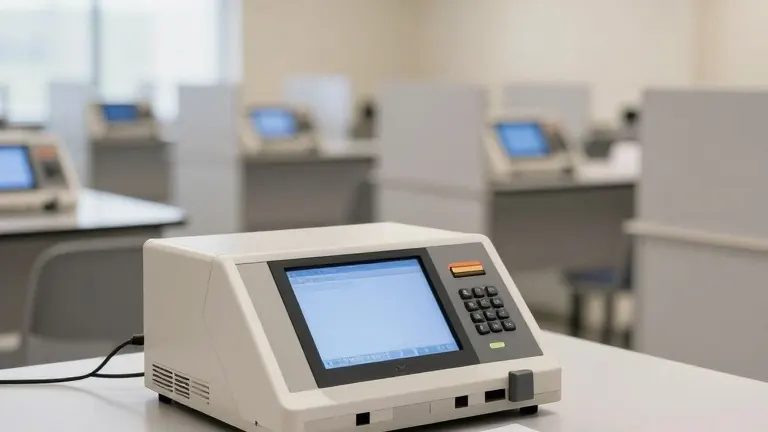
Lula is expected to take office on Jan. 5, 2027, for his fourth non-consecutive term. He will face a right-wing Congress where Bolsonaro’s party holds the most seats. The country has used electronic voting machines since the 1990s to combat fraud, and no significant fraud has been detected in the system.
Source: ABC News