Trump pushes energy deals for AI hubs
The president urges data center operators to share power costs with residents to reduce local opposition and accelerate construction.
By Pavel Henderson ·
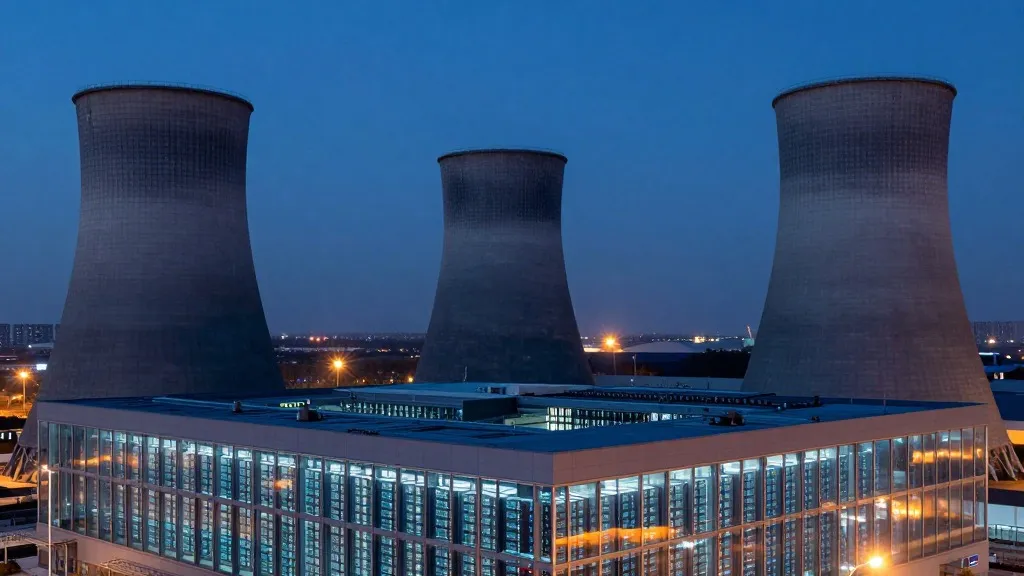
President Donald Trump has directed data center developers and major AI cloud providers to establish financial arrangements with local communities. The goal is to offset rising energy prices or reduce them through shared infrastructure. This move aims to make large-scale computing facilities more acceptable to nearby residents who have faced mounting costs and environmental concerns.
In a post on Truth Social, the President outlined a plan where operators would generate their own power and return excess energy to the grid. He emphasized that this strategy could lower bills for households near these facilities. The administration seeks to balance the rapid expansion of AI infrastructure with the need for public support.
Local opposition to data centers has grown across the United States. Residents frequently cite high electricity rates, noise, and water usage as primary grievances. These issues have made it difficult for companies to secure permits and maintain good relations with the towns hosting their operations. The new directive attempts to address these specific pain points by tying corporate infrastructure directly to local economic benefits.
The administration is eager to maintain a competitive edge against China in the AI sector. To achieve this, it is pursuing methods that win back favor from affected populations. The proposed dividend might take the form of subsidies that help cover increased electricity costs. This approach complements a recent act requiring data centers to pay for necessary grid upgrades, preventing those expenses from being shifted to local taxpayers.
Trump argued that data centers often gain popularity when a financial agreement is reached. He urged developers to negotiate deals quickly to ensure projects are completed without delay. His message stressed that community acceptance is essential for the continued growth of the AI industry in the United States.
Analysts note that the term dividend raises questions about corporate profitability. New construction projects often face high initial costs before becoming profitable. Additionally, the current power generation methods used by these facilities often rely on gas-powered generators. These units can be noisy and less efficient than traditional power plants, meaning the local benefits may not be immediate or uniform.
Skeptics argue that without binding requirements, companies may lack the incentive to go beyond minimal compliance. The economic aspect of the proposal is only one part of a larger challenge. Issues such as water consumption and ecological impact remain significant hurdles for project approval. The success of this strategy will depend on how effectively these financial deals are structured and implemented in practice.
Source: Tom's Hardware · original report published
More Business · Watch Your Wallet · Report a business · Got a Story?