
San Diego city council approves flat water rate structure
A 2015 lawsuit forced the end of tiered pricing, resulting in a $40 million settlement and higher bills for low-use single-family homes.
By Kavya Lin ·
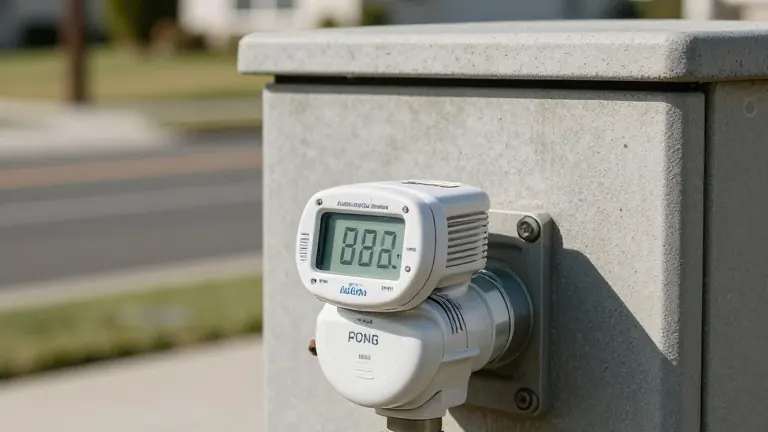
San Diego residents who use less water in single-family homes will see their monthly bills rise by approximately $6 under a new billing structure taking effect in January. In contrast, high-use customers are projected to pay $20 less per month. The shift eliminates the tiered pricing model that previously rewarded conservation efforts by charging lower rates for lower usage.
The changes stem from a lawsuit filed in 2015 by Daniel Patz and others, which challenged the city's practice of varying rates based on consumption levels. Under the old system, households with efficient landscaping or low usage paid less per unit, while those with pools or large yards paid more. The court ruled the tiered system invalid, forcing the city to adopt a structure that charges customers solely based on the volume of water consumed.
The San Diego City Council voted 6-2 on Tuesday to approve the modified rates. Staff members told council members that while the city disagreed with the court's decision, it was legally obligated to implement a valid structure. The city had previously attempted to overturn the ruling through the appeals process but was unsuccessful, leaving San Diego responsible for a $40 million settlement.
Council member Sean Elo-Rivera, representing District 9, expressed frustration during the Tuesday meeting. He stated, "It makes me angry because what is being imposed on us as a city and, therefore imposed, on the people of San Diego is a penalty for doing more to conserve water." This sentiment reflects concern among officials that the new flat-rate model may discourage the water-saving behaviors that have helped the region manage drought conditions.
Residents have offered mixed reactions to the upcoming change. Isabel Jordan, a local resident, initially believed all customers should pay the same rate but later understood the logic behind subsidizing efficient consumers. She noted, "We're in Southern California. We're in a water crisis, water shortage constantly, in and out of drought, so at first I was like, 'oh, everyone should pay the same rate,' then I kind of understand the incentive behind subsidizing more efficient consumers of water."
City representatives acknowledged that low-use households will face the most noticeable price adjustments. They noted that even modest increases could impact families that have made deliberate efforts to conserve water. The new billing structure will go live in January, coinciding with a separate, previously approved water rate increase.
The transition marks a major shift in how the city finances its water infrastructure. By removing usage-based incentives, the new model simplifies billing but reverses a policy designed to promote conservation in a region prone to periodic water shortages.
Source: KNSD
More Business · Watch Your Wallet · Report a business · Got a Story?