Cuban physicians ration care as supply shortages and power cuts intensify
At Havana's William Soler Pediatric Hospital, staff use starchy root vegetables for infant formula and hand-pump oxygen when generators fail, a stark measure of the strain from tightened U.S. sanctions and lost Venezuelan oil.
By Kavya Lin ·
Dr. Alejandro Chong, the intensive care unit head at William Soler Pediatric Hospital in Havana, recently stabilized a two-month-old boy weighing less than five pounds. The infant had been abandoned and transferred to the hospital by protective services in a state of severe dehydration and malnutrition. After initial stabilization, the boy required specialized formulas that typically originate from the United States.
Chong stated that staff currently prepare infant nutrition using malanga, a starchy root vegetable, and chicken. This practice reflects a wider pattern of compromise in Cuban medical settings. The country is located 90 miles from the U.S. coast and has historically relied on imports for food and medical goods. President Trump's administration recently tightened trade restrictions, threatening sanctions against foreign entities that conduct business with the Cuban government. While Washington claims it does not intend to block food and medical supplies, many international vendors have ceased sales to Cuba due to fear of penalties.
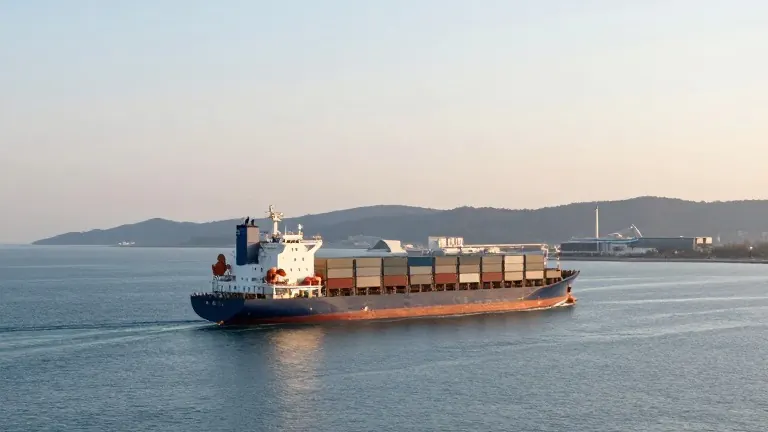
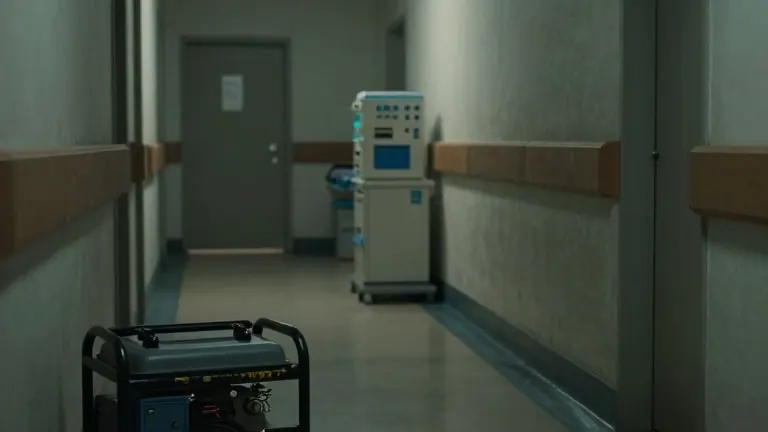
The electrical grid in Cuba has suffered severe damage, with Cuban officials reporting that only one oil tanker reached the island since early January. At William Soler, a generator activates during power outages, but the brief gap between the failure of the main power and the start of the generator creates danger for patients. Chong noted that these few seconds are critical for individuals under general anesthesia or connected to ventilators. When generators fail entirely, surgeons have finished procedures using the light from their cellphones, and staff have manually pumped oxygen for critical patients.
Personnel shortages have accelerated due to low pay and exhausting conditions. Many doctors have left the profession or the country. Those who remain often hold second jobs. Chong earns more money from his food stand than from his medical role. Dr. Lorien Rodriguez, a second-year pediatric surgery resident, supports herself by working as a radio announcer. She described the environment as having fewer personnel and resources, which complicates daily work.
Cancer drugs, anesthetics, and laboratory equipment are in critically short supply. Rodriguez said doctors are constantly forced to tell patients they cannot provide necessary care. During a visit to the hospital, staff reported that a toddler waited 68 days for an artificial lung machine component needed for surgery, a part that typically has a two-day wait time. Paloma Blanco, a dancer with the National Ballet of Cuba who is eight months pregnant, asked friends in the U.S. to send surgical supplies in preparation for a potential cesarean section.
Carlos Fernandez de Cossio, Cuba's deputy foreign minister, stated that the government owes it to families to ease the situation. He acknowledged that while the U.S. is an external powerful factor, the Cuban government holds responsibility for decisions that could have been better made. The U.S. and Cuba have been in conflict for decades, with Washington blaming Havana's management and Havana blaming U.S. policy for turning the island into a failed state.
Secretary of State Marco Rubio, whose parents were Cuban immigrants, has made regime change a priority. A spokesman for Rubio stated that the Cuban regime hides billions in overseas bank accounts instead of investing in electricity and infrastructure. Negotiations stalled earlier this year, and tensions escalated last week when U.S. Ambassador to the U.N. Mike Waltz confronted Cuban officials, leading to the expulsion of one Cuban diplomat from the U.S.
Economic conditions remain difficult for most Cubans, with staples like eggs costing more than a monthly salary. This reality has pushed citizens to buy medicine on the black market. In 2026, Cuba lost its main oil supplier, Venezuela, following the death of its leader on January 3. The country implemented its largest economic reforms in over six decades this year, dropping monopolies on fuel, banking, and pharmacies. U.S. companies have begun exporting fuel to the private sector, but the cost remains high.
De Cossio expects the impasse to end with a change in U.S. attitude. He argued that the U.S. should reform its own policies and that it is not sustainable for Washington to punish the entire Cuban population. He questioned how long the current dynamic is acceptable given the power held by the United States.
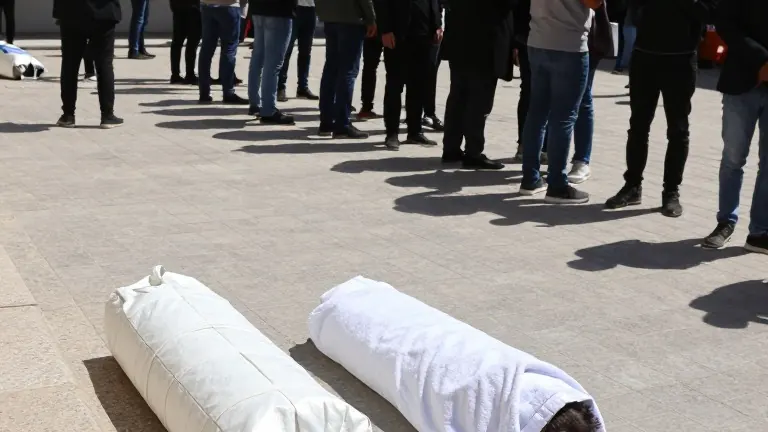
Chong reported this weekend that the two-month-old boy treated at the hospital suffered respiratory complications. The infant was readmitted to the ICU and died on Thursday.
Source: CBS News