US strikes Iranian targets in Strait of Hormuz
A diplomatic draft is under review as regional powers warn of escalating conflict.
By Pavel Henderson ·
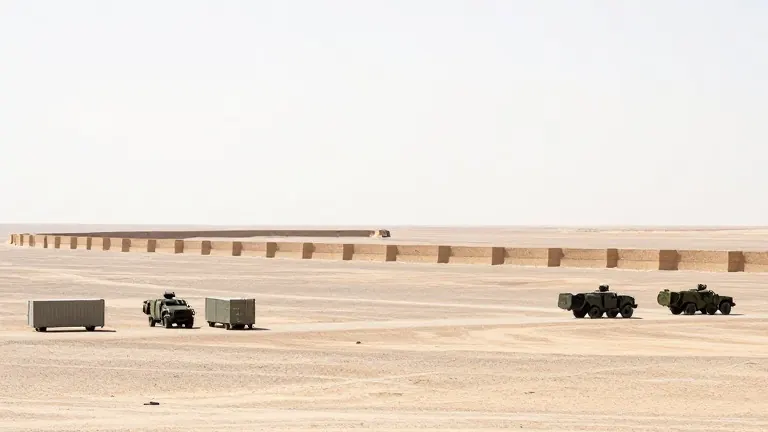
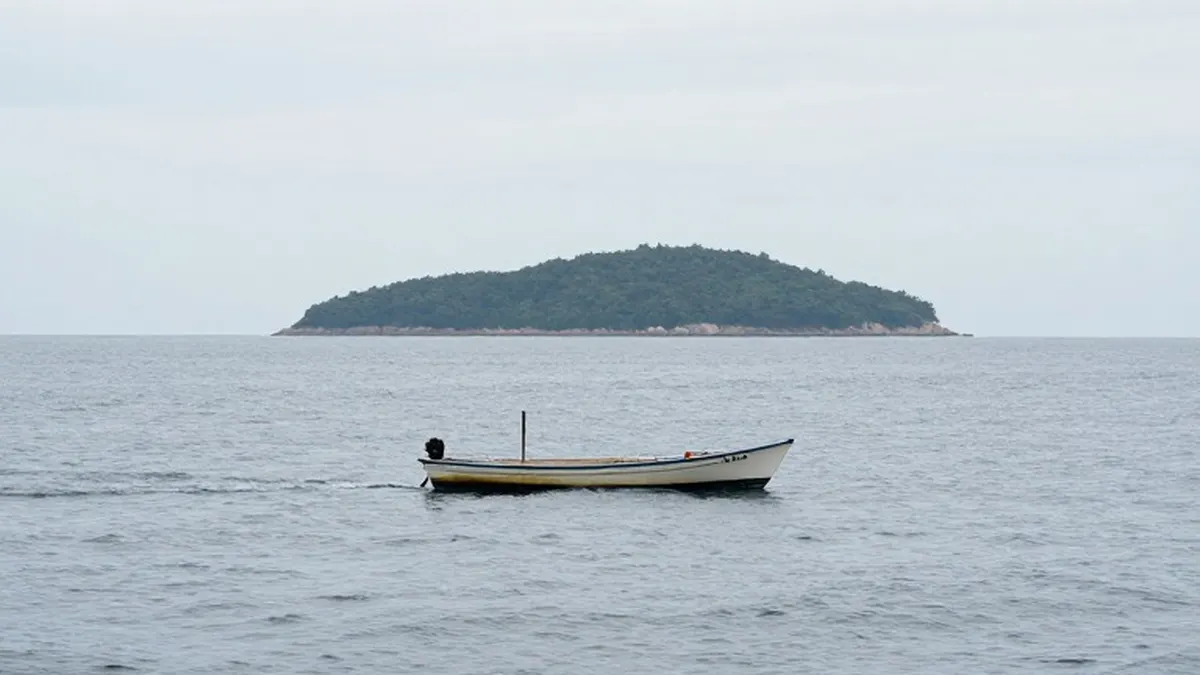
The United States has launched attacks against specific Iranian targets within the Strait of Hormuz, according to US officials speaking on Sunday. The strikes mark a sharp escalation in tensions between Washington and Tehran. This development occurs as regional leaders prepare for the possibility of a full-scale return to war.
US President Donald Trump told reporters on Sunday night that he and Israeli Prime Minister Benjamin Netanyahu held a productive phone call on Saturday. Trump confirmed the discussion covered Iran but provided no specific details about the outcome. Netanyahu has remained largely silent publicly since his coalition lost its parliamentary majority in the elections held on Tuesday of last week. No statement was issued by Netanyahu or his office regarding the recent call with the US president.
Diplomatic efforts continue alongside the military actions. An Iranian delegation departed Qatar on Sunday after negotiations aimed at ending the war. A draft proposal has been circulated to stakeholders for review, and a follow-up meeting is currently being discussed. A regional official familiar with the talks stated that the Iranian delegation left Qatar after these negotiations. The official spoke on condition of anonymity due to the sensitive nature of the discussions.
The latest proposal discussed by Iran would open the Strait of Hormuz to maritime transport within two days. This move is contingent upon Washington meeting several conditions, including lifting the blockade on Iranian ports. Foreign Minister Abbas Araghchi, who was visiting Turkmenistan on Monday, stated that the final outcome depends on the responses the US provides to specific questions from Iran.
Iran has intensified its public messaging while maintaining diplomatic channels. Supreme Leader Ayatollah Mojtaba Khamenei met with Iranian military chiefs and instructed that any threat from the US or Israel be met with an immediate response without geographic limits. He urged the expansion of the list of potential targets. Khamenei has not appeared in public since the initial strikes on February 28 killed his father, the previous supreme leader.
Mohsen Rezaei, Iran’s security chief, warned on social media that any attack would result in devastating blows to the aggressor using new weapons. In an interview with state television, Rezaei described the recent tone from the US as a very good signal. He noted that Iran received a letter from US Vice President JD Vance but has not yet responded. Rezaei indicated that no decision has been made to change Iran’s nuclear doctrine, although some in the country have questioned whether it should be modified if attacked again.
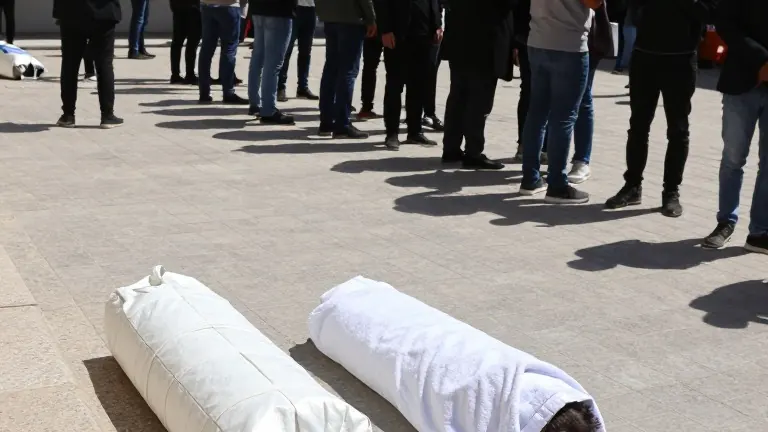
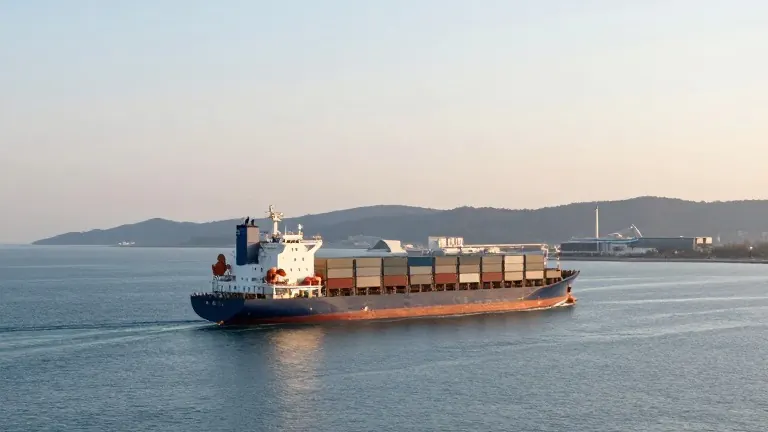
The economic and security impact on the region is growing. More attacks on commercial ships were reported in the Strait of Hormuz during October. This was the month with the most recorded aggressions since the war began in March. At the Manama Dialogue security summit in Bahrain, Anwar Gargash, the presidential advisor for the United Arab Emirates, warned that the positions of the US and Iran are far apart. He stated that if these positions do not converge, the region must fear the worst outcome.
Gulf nations have spent billions of dollars to strengthen their defense capabilities since the war started. Egyptian Foreign Minister Badr Abdelatty told the summit in Bahrain that the next escalation would be more dangerous and destructive. Russian Foreign Ministry spokesperson Maria Zakharova described reports of new potential attacks on Iran as alarming. China is sending a special envoy to Iran, Oman, and Saudi Arabia in early or mid-November. Chinese President Xi Jinping met with the Sultan of Oman to discuss the region, stating that the Gulf should not become a stage for great power rivalry.
Source: WTOP News