Senate Blocks Permanent Daylight Saving Time Bill
Republican senators from northern states are stalling a House-passed measure that would end the twice-yearly clock change, despite President Trump's public demands for action.
By Kavya Lin ·
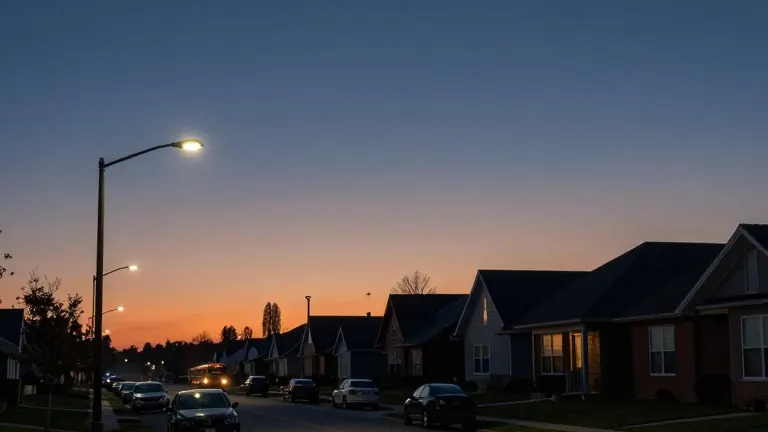
Only 12 percent of American adults supported the current twice-yearly time change system in a poll released last year. Despite that low approval rating and intense pressure from the White House, the Senate is unlikely to vote on the House-passed bill to make daylight saving time permanent before the year ends.
The House passed legislation that would standardize the clock to daylight saving time year-round. The bill now sits in the Senate, where a coalition of Republican senators is holding it up. This delay defies President Donald Trump, who has aggressively pushed for the change and derailed the hopes of many Americans who dislike adjusting their clocks twice annually.
The debate centers on the trade-offs of the new schedule. Supporters argue that permanent daylight saving time provides more light in the afternoon, when most people are active. Opponents counter that residents in northern states would face dark mornings, with the sun not rising until after 9 a.m. for some.
Sen. Tom Cotton, R-Ark., has become the most vocal opponent. He is a member of the GOP leadership and recently drew the president's ire when Trump posted his personal cellphone number on social media to demand the bill be passed. Cotton argued that Congress has tried and repealed permanent daylight saving time before because winter sunrises became too late.
"No one likes changing the clock, me included, but Congress has enacted permanent Daylight Savings Time multiple times before and repealed it each time once Americans experienced absurdly late sunrises in the winter," Cotton said. Other Republicans, particularly from northern states, have joined the resistance. Sen. Mike Rounds, R-S.D., noted that the change would mean sending children to school in the dark.
Trump has renewed his push on Truth Social this week, claiming the Senate is letting the bill die despite majority support from the country. An avid golfer, Trump has cited the benefit of more daylight for his sport. He also argued that the time change is dangerous for workers repairing steeples on churches and municipal buildings, and that it wastes precious time adjusting clocks.
The president's arguments have not shifted the voting intentions in the Senate. Sen. Todd Young, R-Ind., described the House bill as a non-starter for Republican leadership. Sen. Bernie Moreno, R-Ohio, was more direct when asked about the bill's prospects, simply stating, "No way." Senate Majority Leader John Thune, R-S.D., has not commented publicly on this specific bill, though he voted against similar versions in the past.
This is not the first time Congress has attempted to standardize the clock. In 1973, amid an energy crisis, Congress passed a law for permanent daylight saving time as a trial. The measure was repealed by October of that year as public support dropped, driven by concerns about children walking to school in the dark. More than 50 years later, many Americans have forgotten that experiment.
Proponents of a single time zone include the American Medical Association and the American Academy of Sleep Medicine. Sen. Rick Scott, R-Fla., has led efforts in the Senate after signing similar legislation as governor of Florida in 2018. He cited constant feedback from Americans tired of the practice. Sen. Ed Markey, D-Mass., also supports the change, noting its impact on health and happiness.
The Senate is scheduled to return to Washington after the Nov. 3 midterm election. Several Republicans predict the bill will not come up for a vote in the short window remaining before the holidays.
Source: The San Bernardino Sun